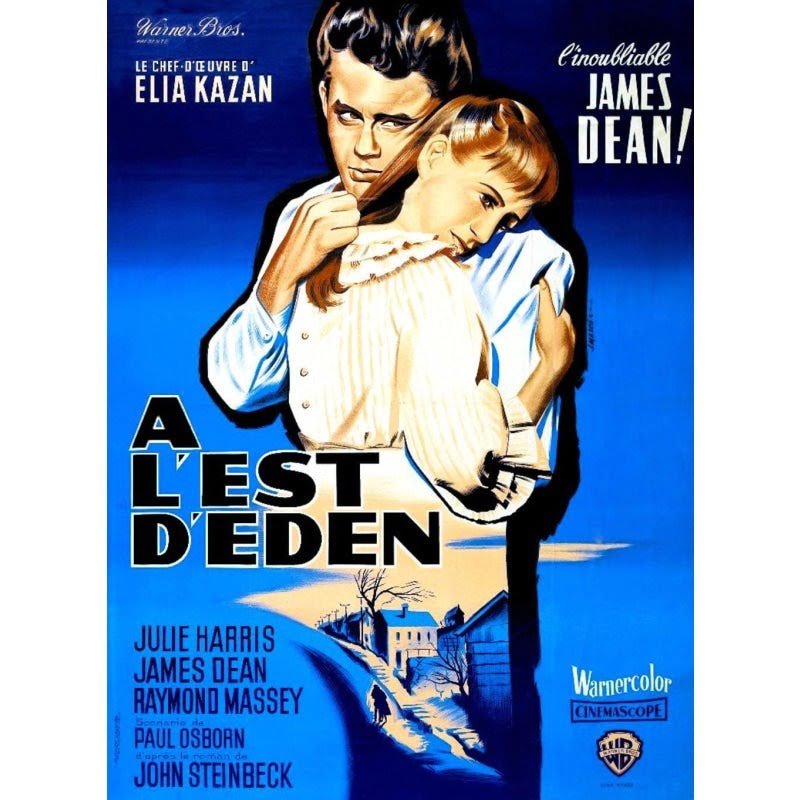









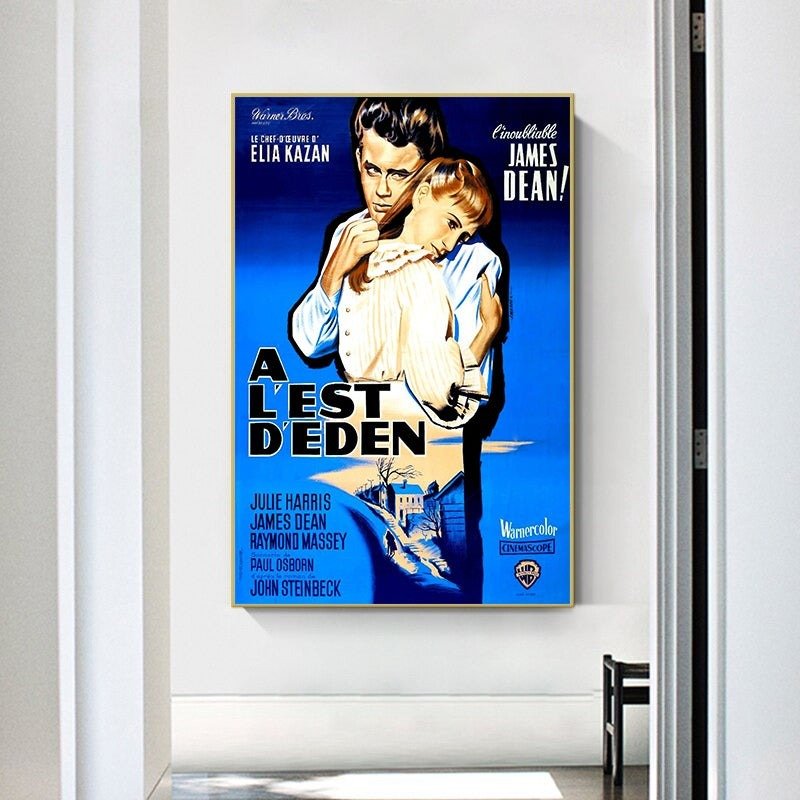
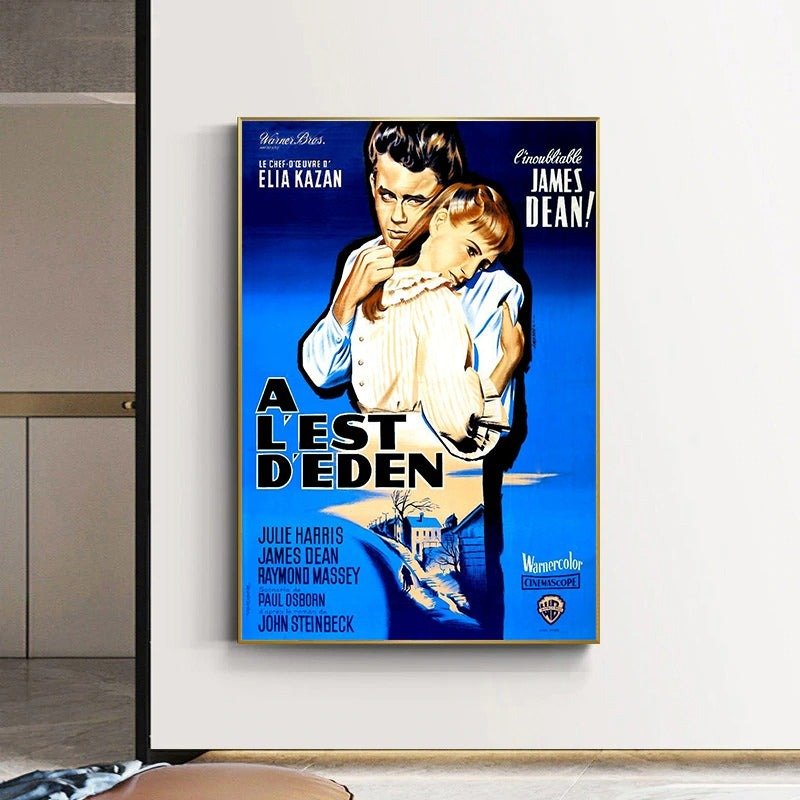
















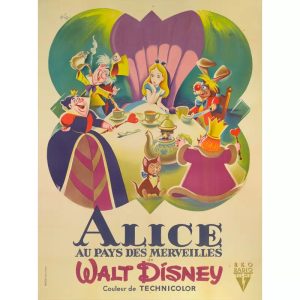

Adapted from the novel by John Steibeck, this East of Eden Poster featuring the legendary James Deans will enhance your interior by giving it a retro feel.
- Paper Feature:
- 🎨 Canvas: global standard in terms of printing and imitating a “painting canvas” look.
- By default, the poster contains a 4cm white border for framing (frame not included). If you don’t want it, please choose “without white border”.
- ✅ Size: Multiple choices available. ✅
- High UV resistance.
- Color vibrancy maximum, glare-free.
- recycled paper, guaranteeing environmental friendliness.
- Poster packaged carefully and delivered in a protective tube for Total protection.
- Free standard delivery.
⚠️ Frame not included. ⚠️
Description of this East of Eden Poster
East of Eden is a 1955 drama film directed by Elia Kazan, loosely based on the fourth and final part of John Steinbeck’s 1952 novel of the same name. The film tells the story of a rebellious young man who, while searching for his own identity, competes for the affection of his deeply religious father against his favorite brother, thus reprising the story of Cain and Abel.
The film stars Julie Harris, James Dean (in his first major screen role), and Raymond Massey. It also stars Burl Ives, Richard Davalos, and Jo Van Fleet (also in her first screen role), and was adapted by Paul Osborn.
Although set in early 20th-century Monterey, California, much of the film was shot in Mendocino, California. Some scenes were filmed in the Salinas Valley.
Of the three films starring James Dean, this is the only one released during his lifetime and the only one Dean personally saw in its entirety.
The film, along with Dean’s other films, Rebel Without a Cause and Giant, was named by the American Film Institute as one of the 400 greatest American films of all time. In 2016, the film was selected for preservation in the United States National Film Registry by the Library of Congress because it is “culturally, historically, or aesthetically significant.”