
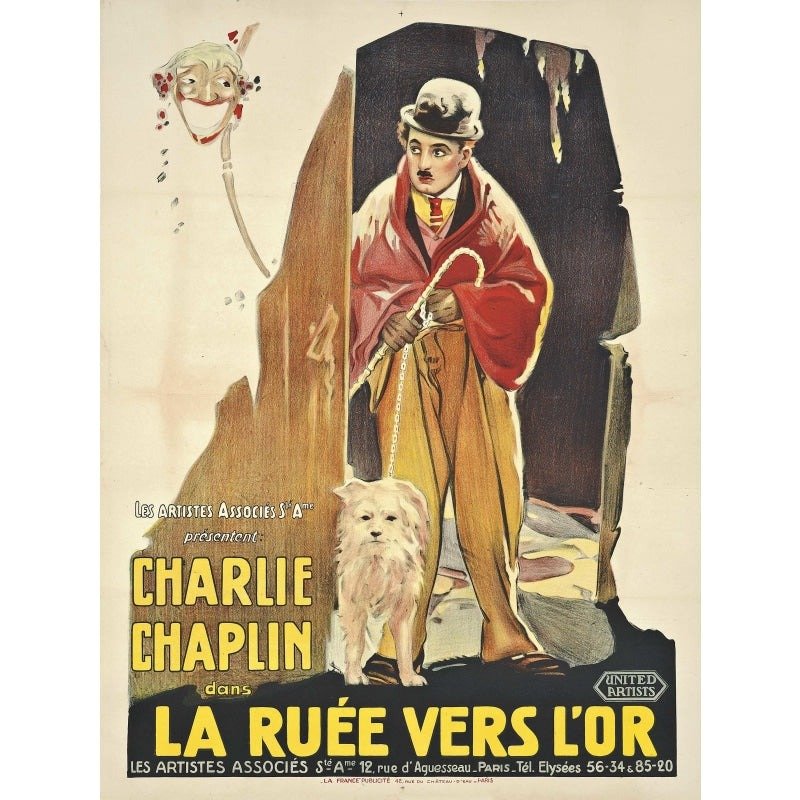
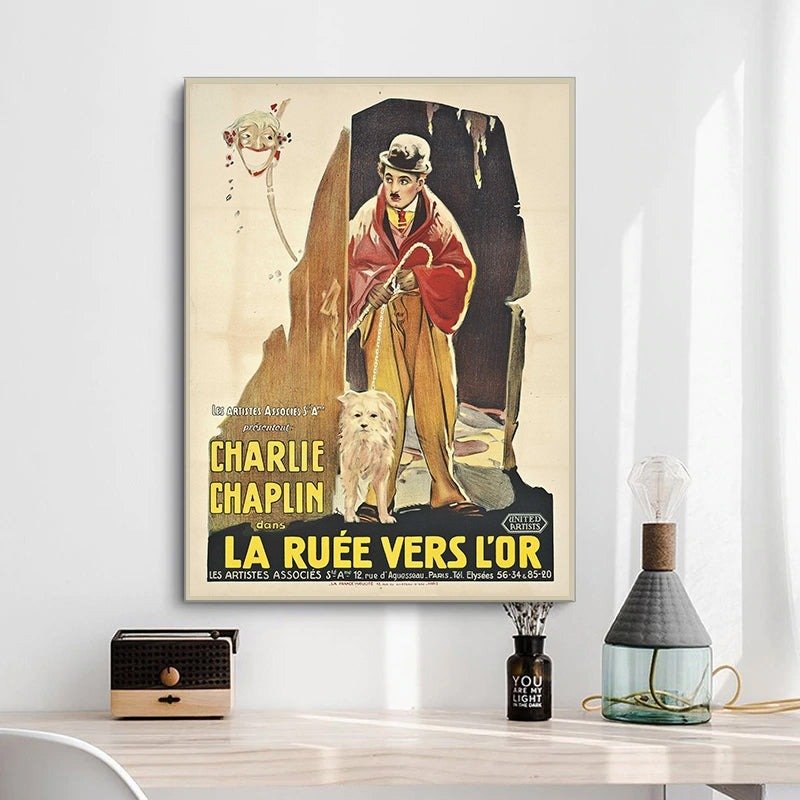
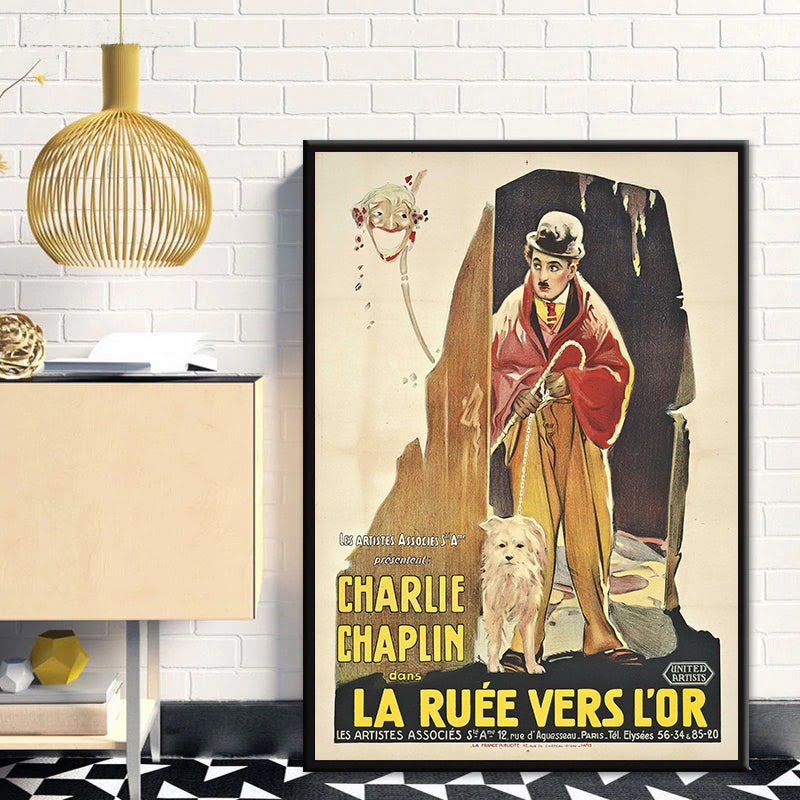
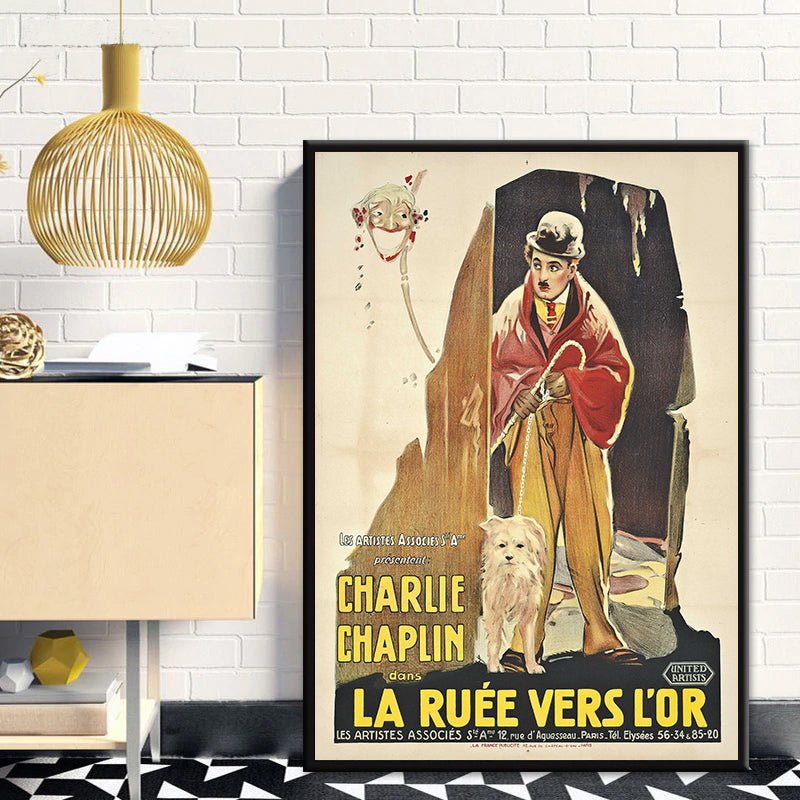
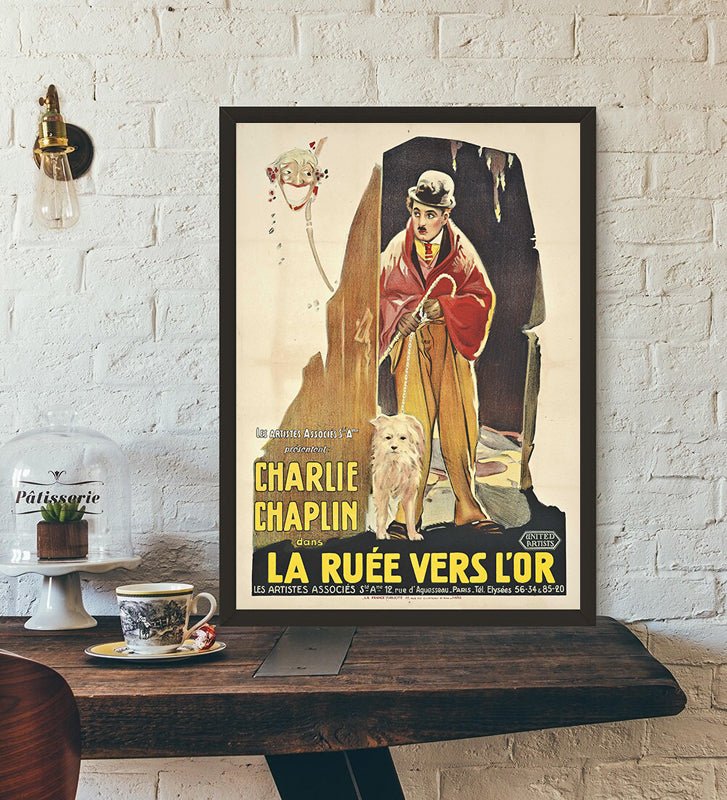
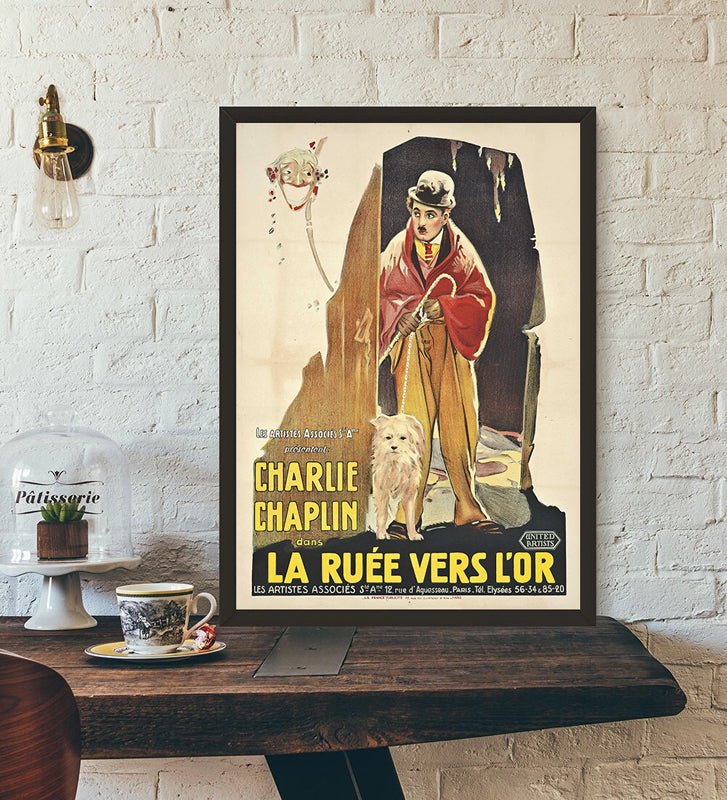

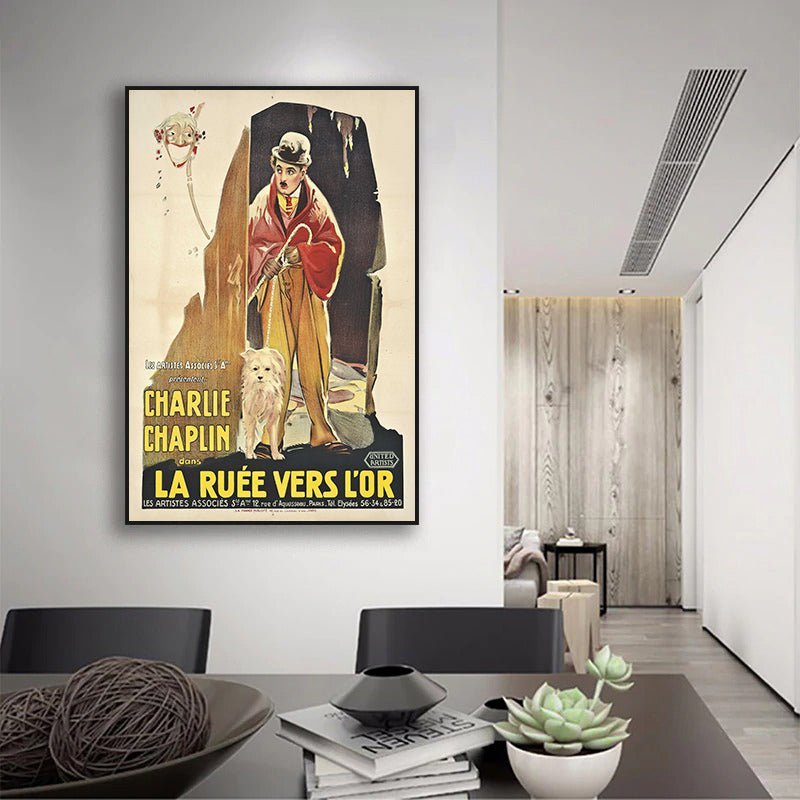
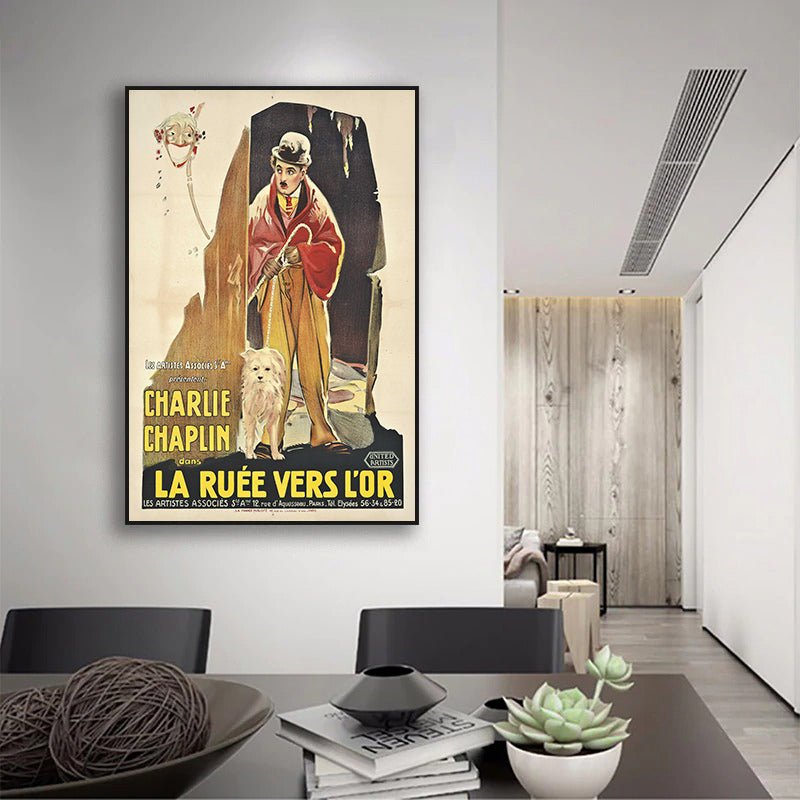
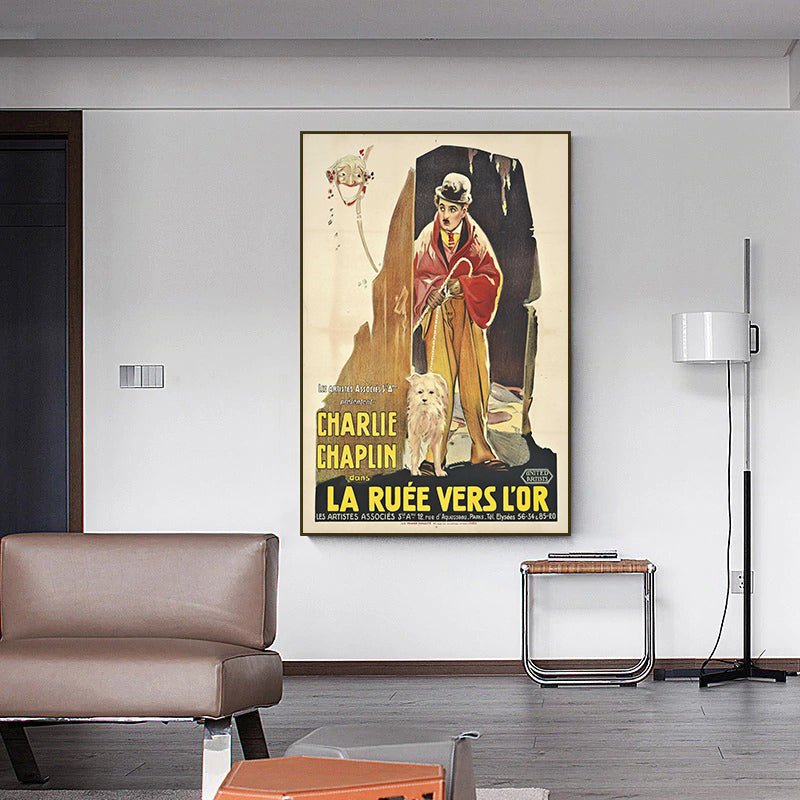
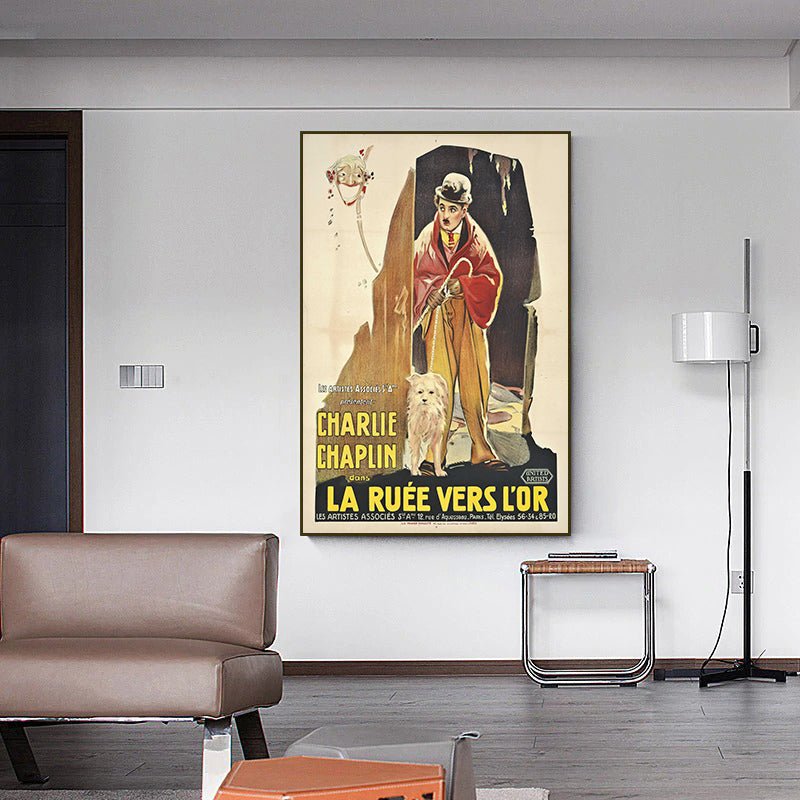
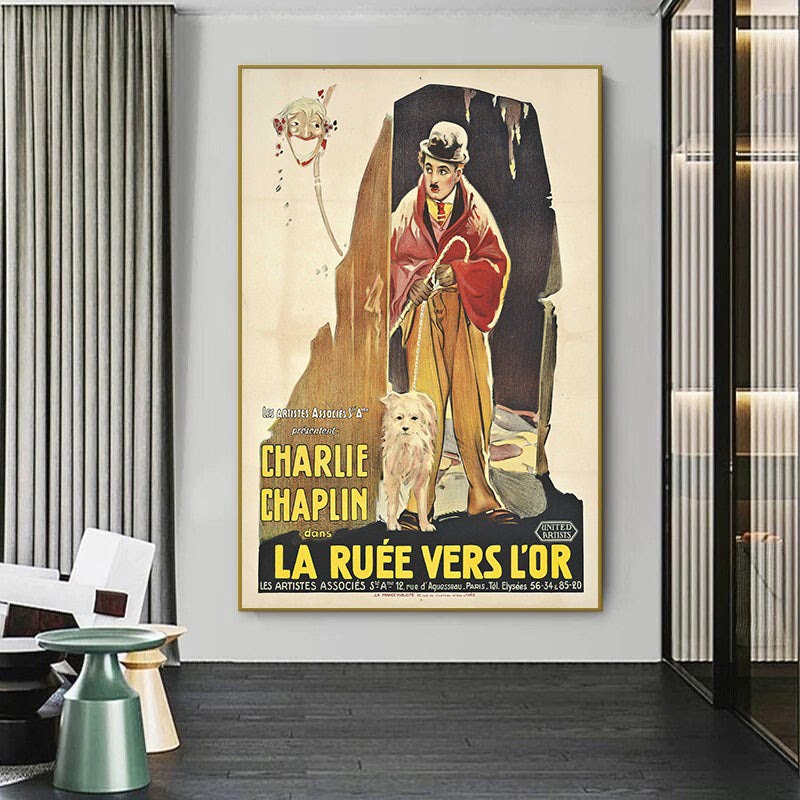
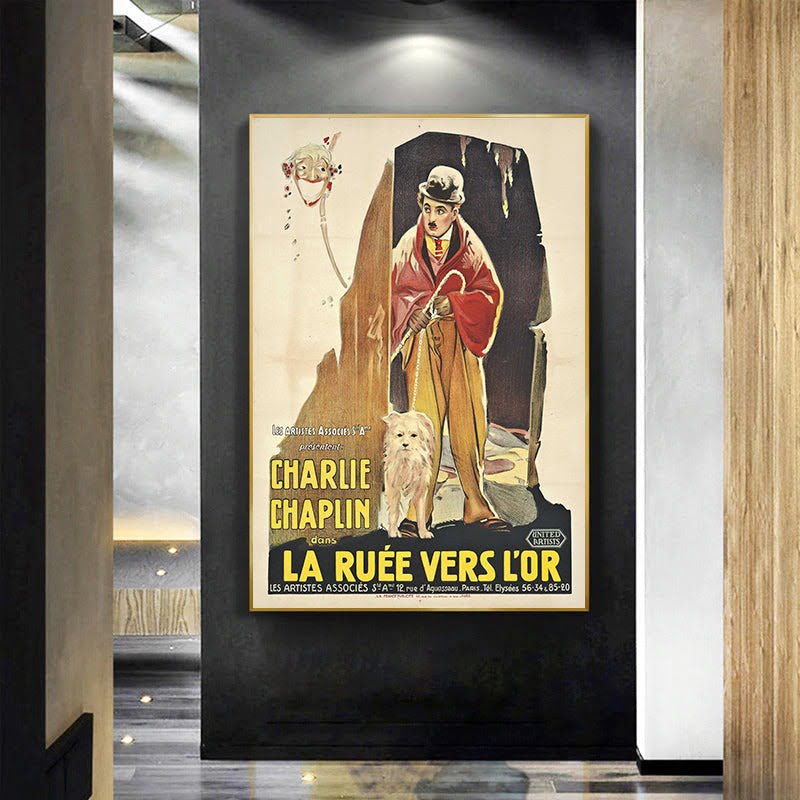
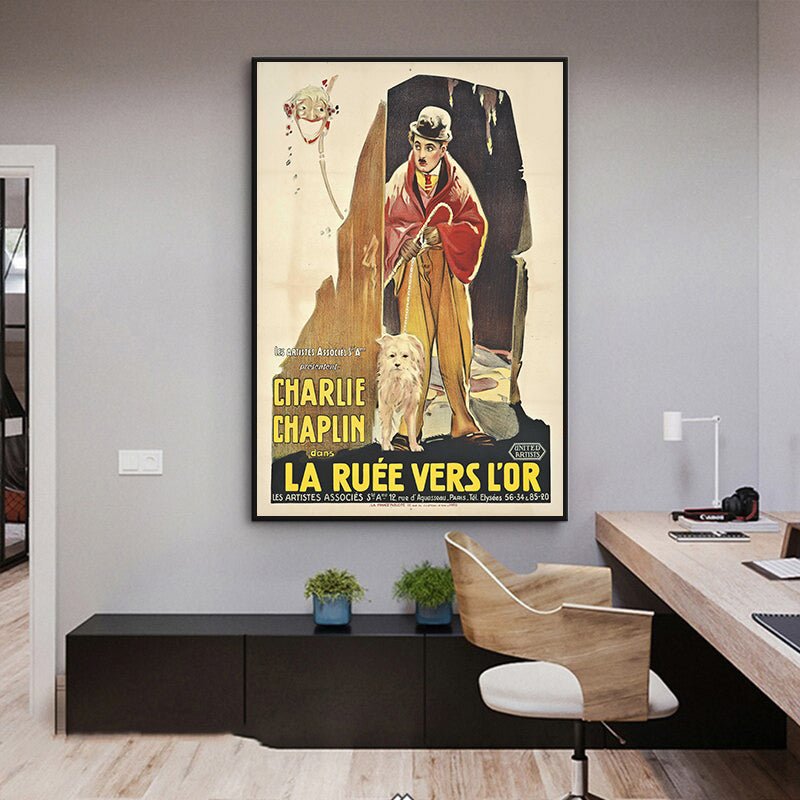
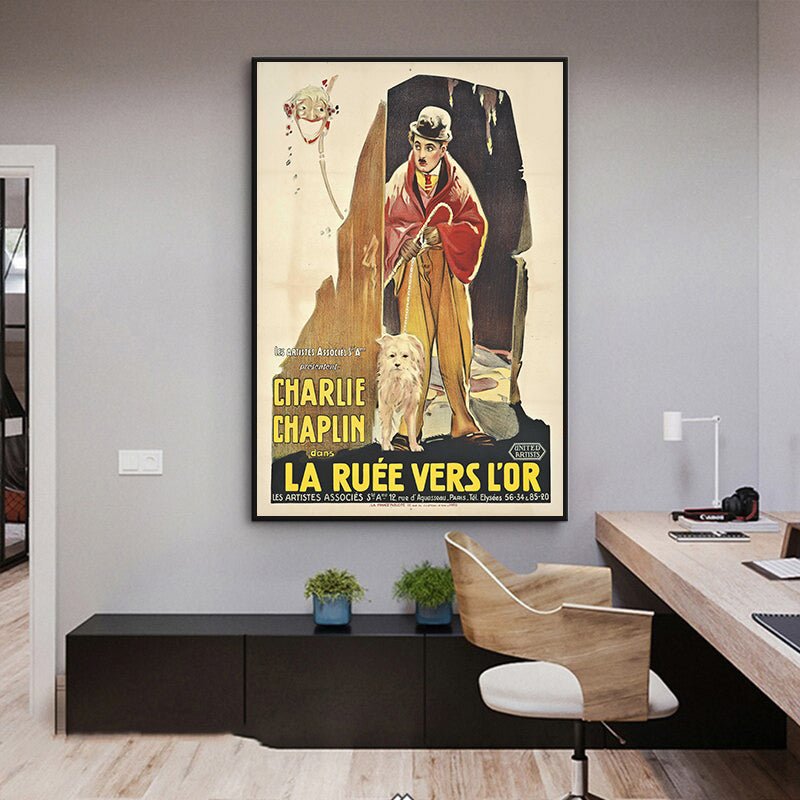
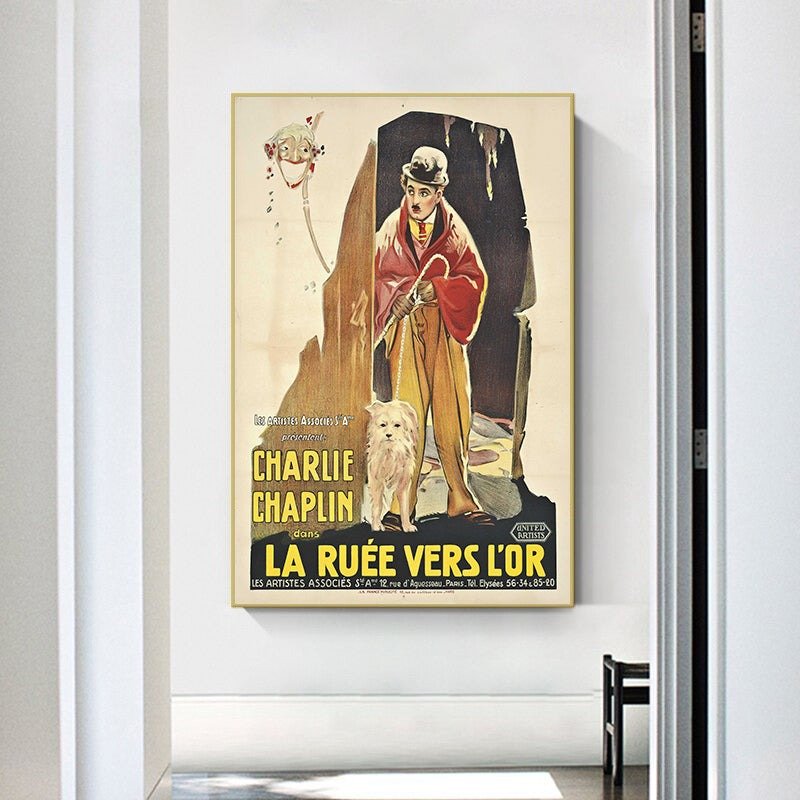
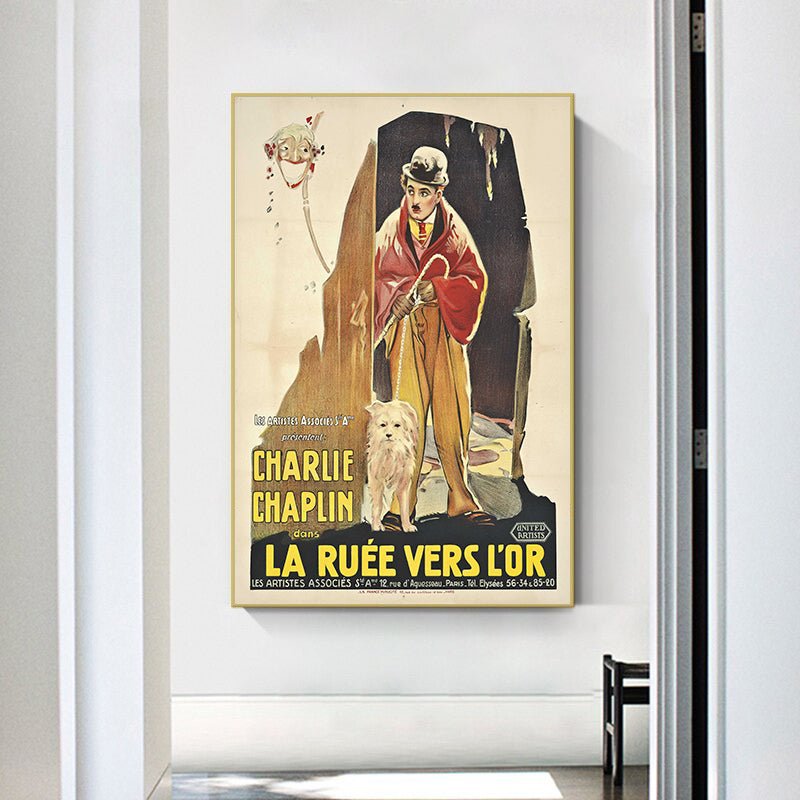

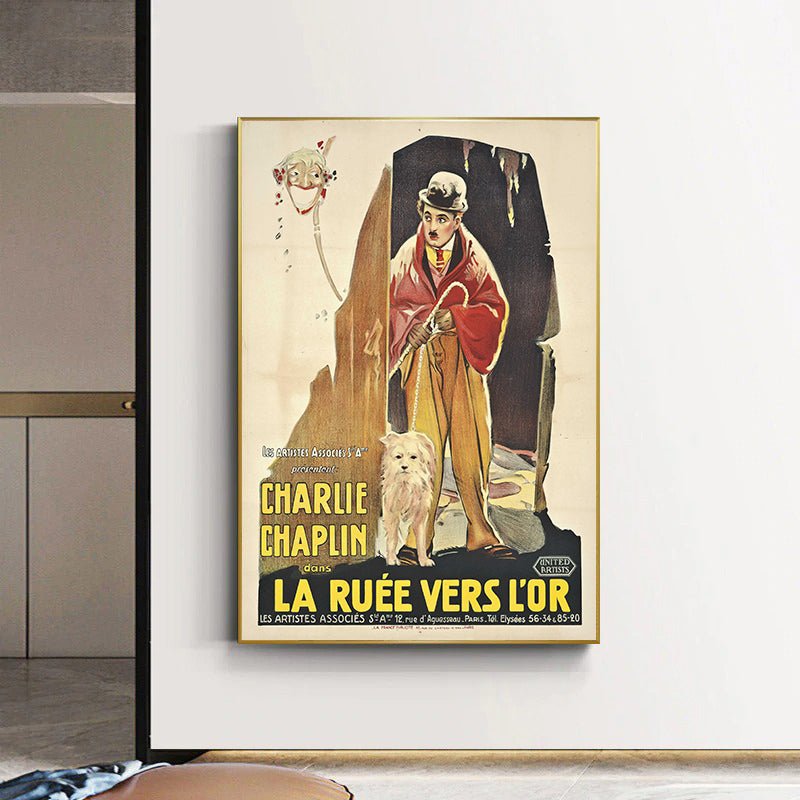



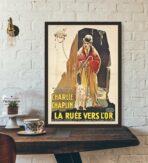
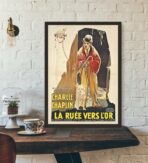





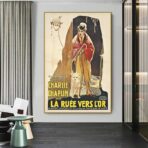
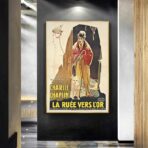


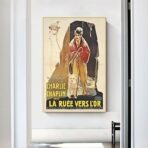




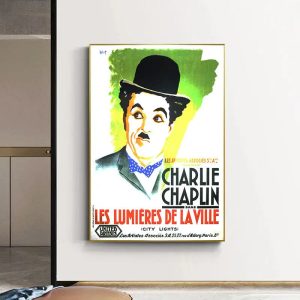
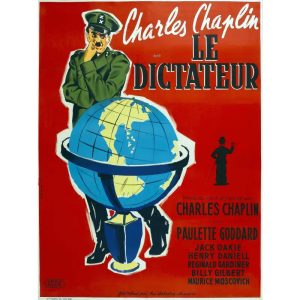



Rediscover the talented Charlie Chaplin with this splendid Gold Rush Poster that will give an original look to your interior decoration!
- Paper characteristics:
- 🎨 Canvas: global standard in terms of printing and imitating a “painting canvas” look.
- By default, the poster contains a 4cm white border for framing (frame not included). If you don’t want it, please choose “without white border”.
- ✅ Size: Multiple choices available. ✅
- High UV resistance.
- Color vibrancy maximum, glare-free.
- recycled paper, guaranteeing environmental friendliness.
- Poster packaged carefully and delivered in a protective tube for Total protection.
- FREE STANDARD DELIVERY.
⚠️ Frame not included. ⚠️
Description of this Gold Rush Poster
The Gold Rush is a 1925 American comedy film written, produced, and directed by Charlie Chaplin. The film also stars Chaplin as The Little Tramp, Georgia Hale, Mack Swain, Tom Murray, Henry Bergman, and Malcolm Waite.
Chaplin was inspired by photographs of the Klondike Gold Rush as well as the story of the Donner Party, who, snowed in in the Sierra Nevada, were driven to cannibalism or to eat their shoe leather. Chaplin, who believed that tragedies and comedies were not far apart, decided to combine these stories of deprivation and horror into a comedy. He decided that his famous rogue character should become a gold prospector who joins forces with a brave optimist determined to face all the pitfalls associated with the search for gold, such as illness, hunger, cold, loneliness, or the possibility that he could be attacked by a grizzly bear at any moment. The film features scenes such as Chaplin cooking and dreaming about his shoe, or how his hungry friend Big Jim sees him as a chicken.
The Gold Rush was nominated for Academy Awards for Best Score and Best Sound Recording when it was re-released in 1942. It is now one of Chaplin’s most famous works, and he himself has stated on several occasions that it was the film for which he most wanted to be remembered.
In 1953, the original 1925 version of the film entered the public domain in the United States because the rights holders failed to renew their copyright registration within 28 years of its publication.
In 1992, the film was selected by the Library of Congress for preservation in the United States National Film Registry because it is “culturally, historically, or aesthetically significant.”