

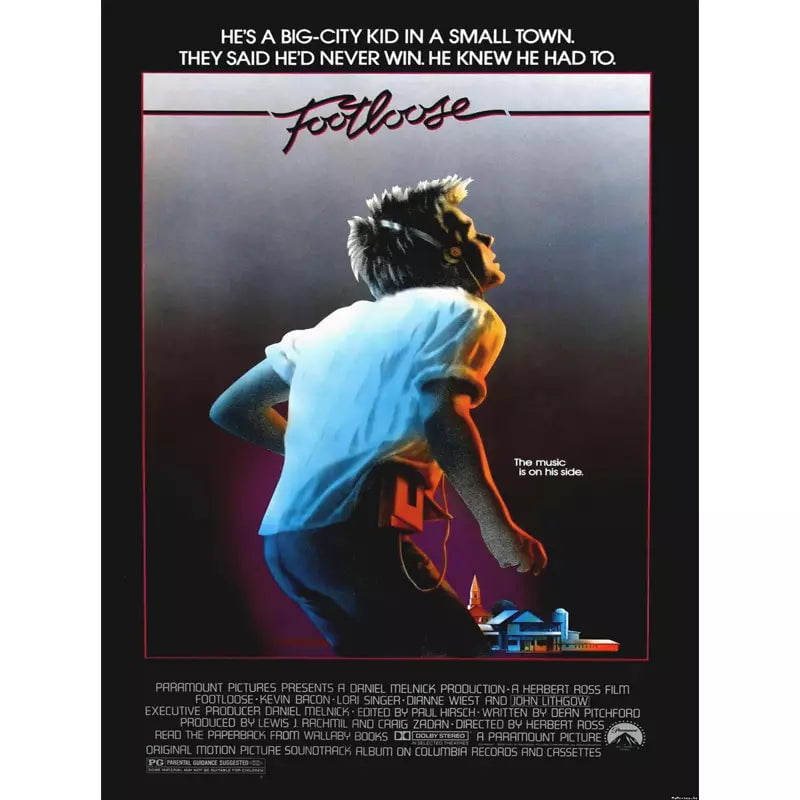
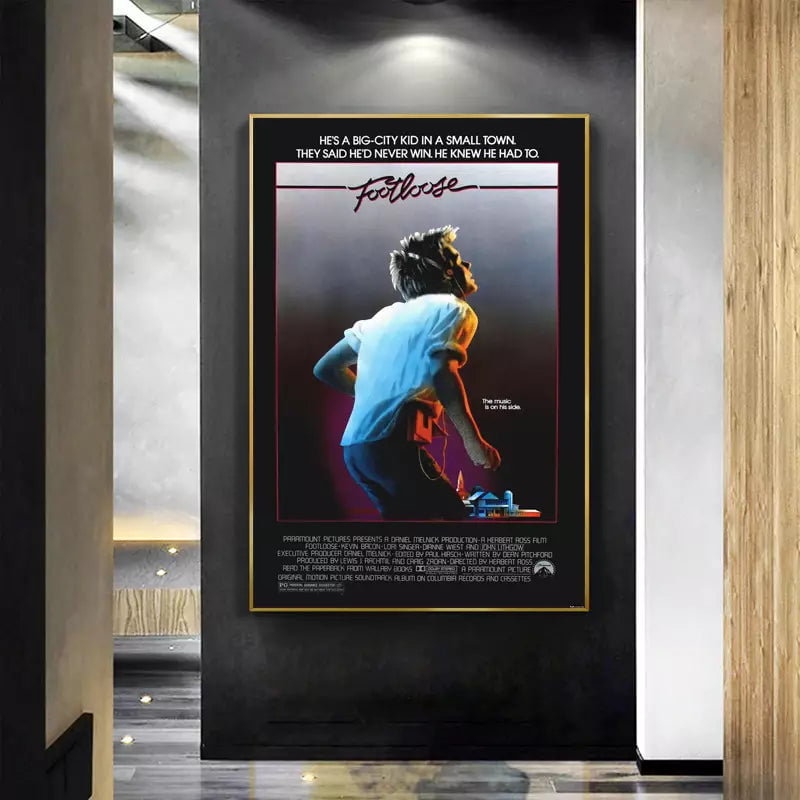
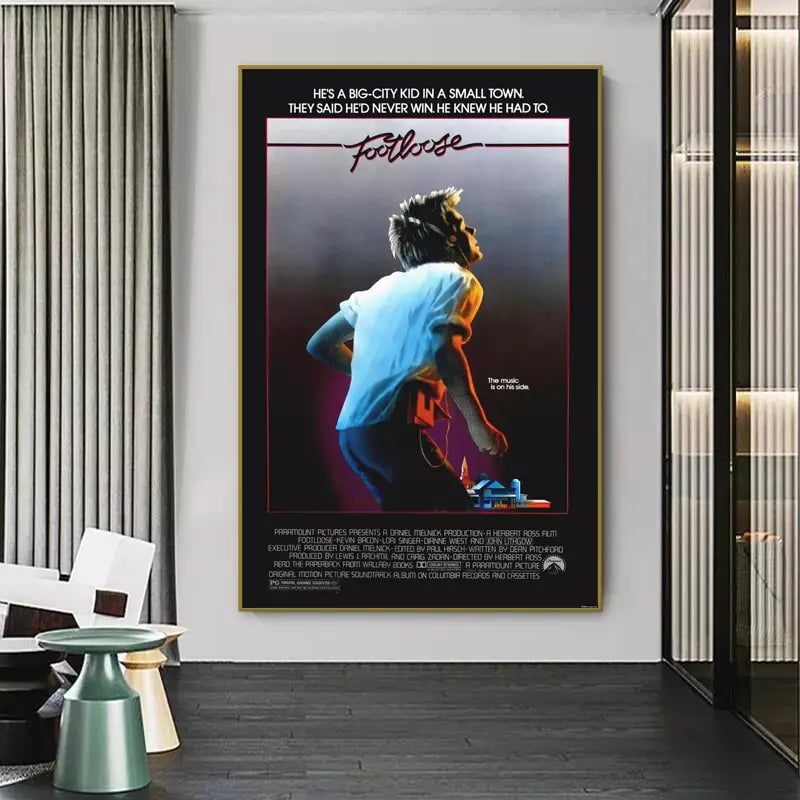
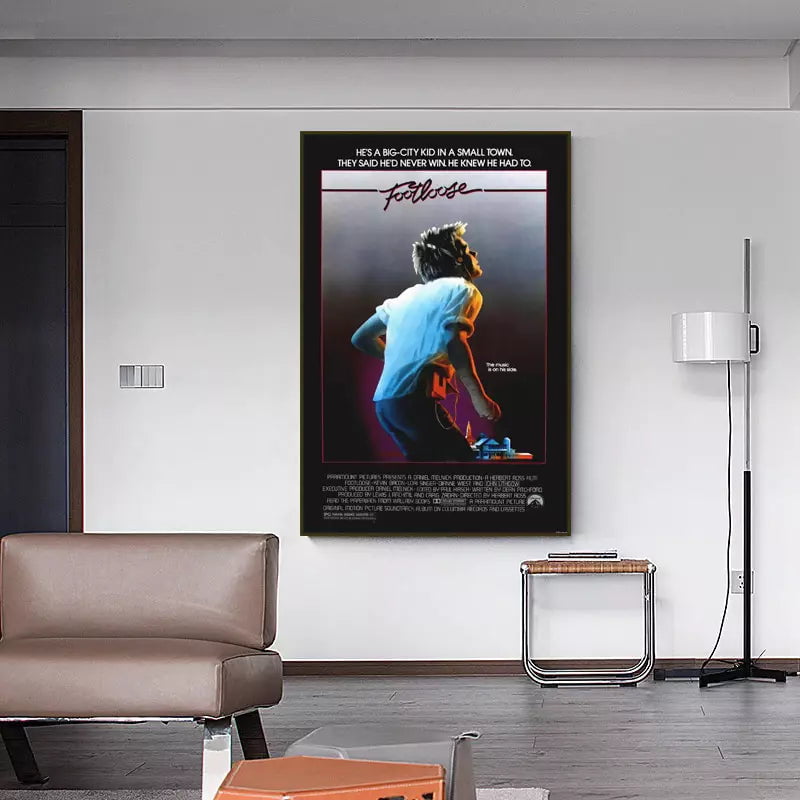
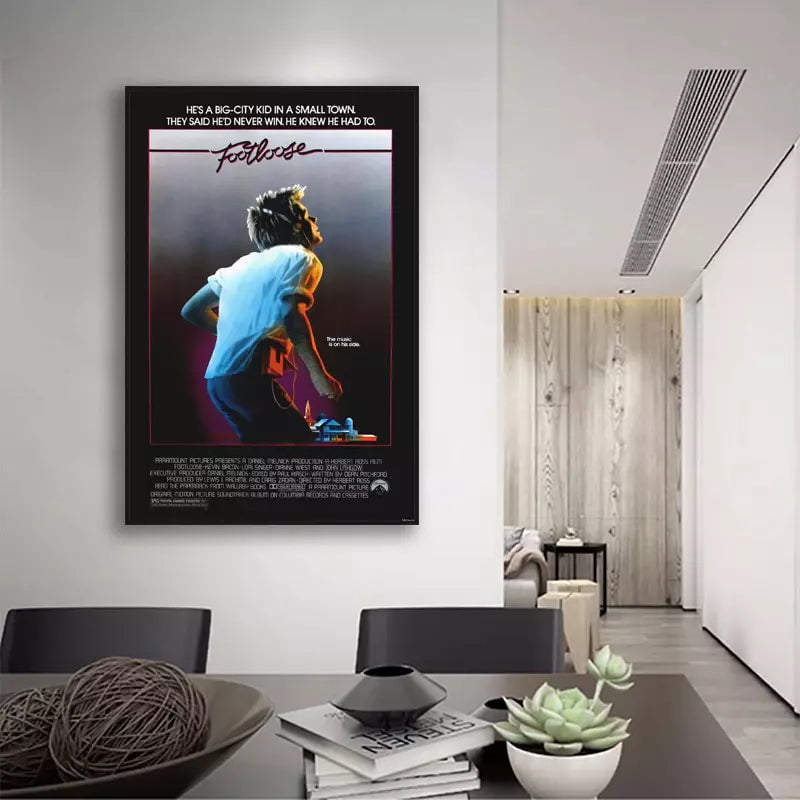
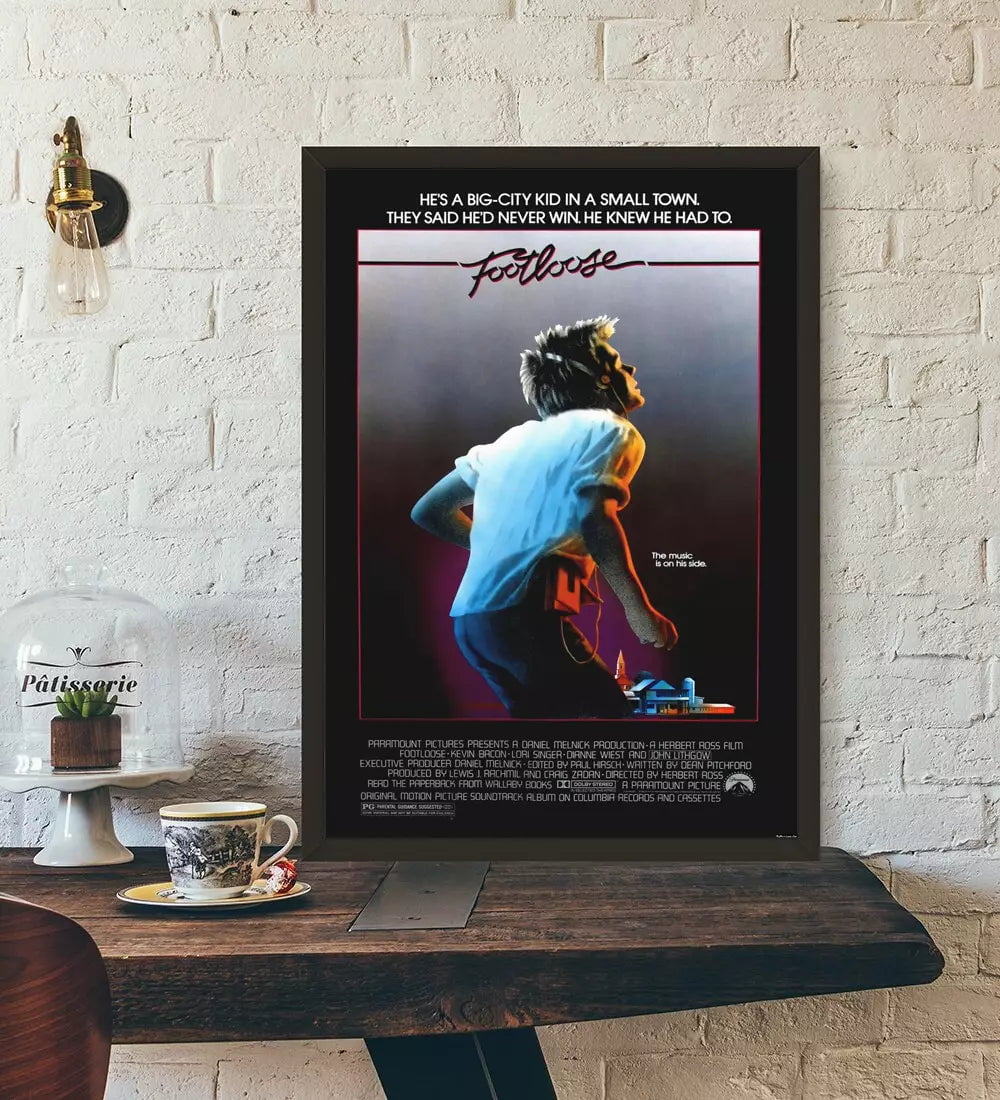
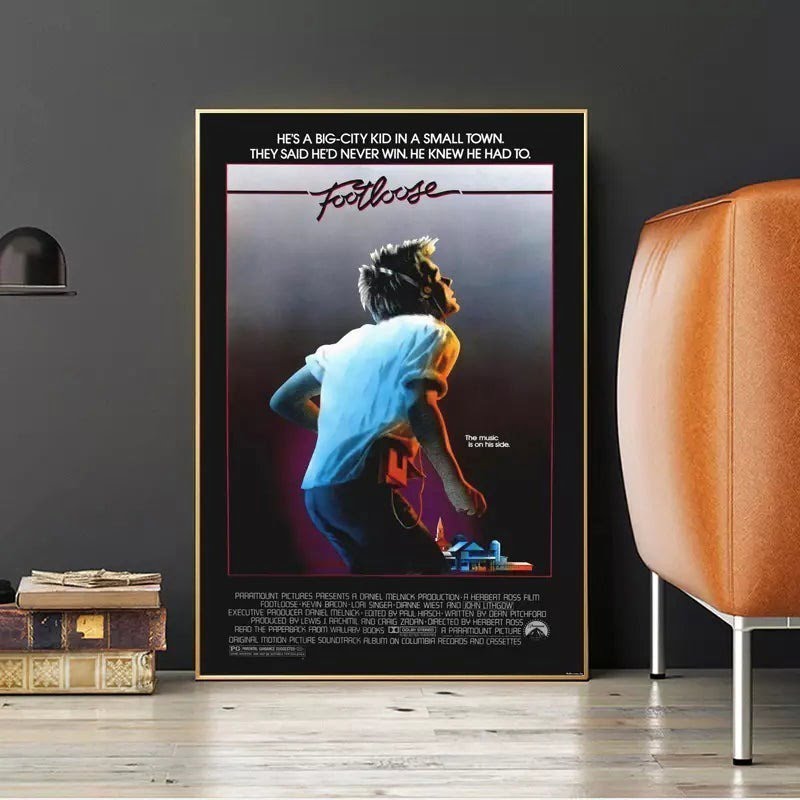
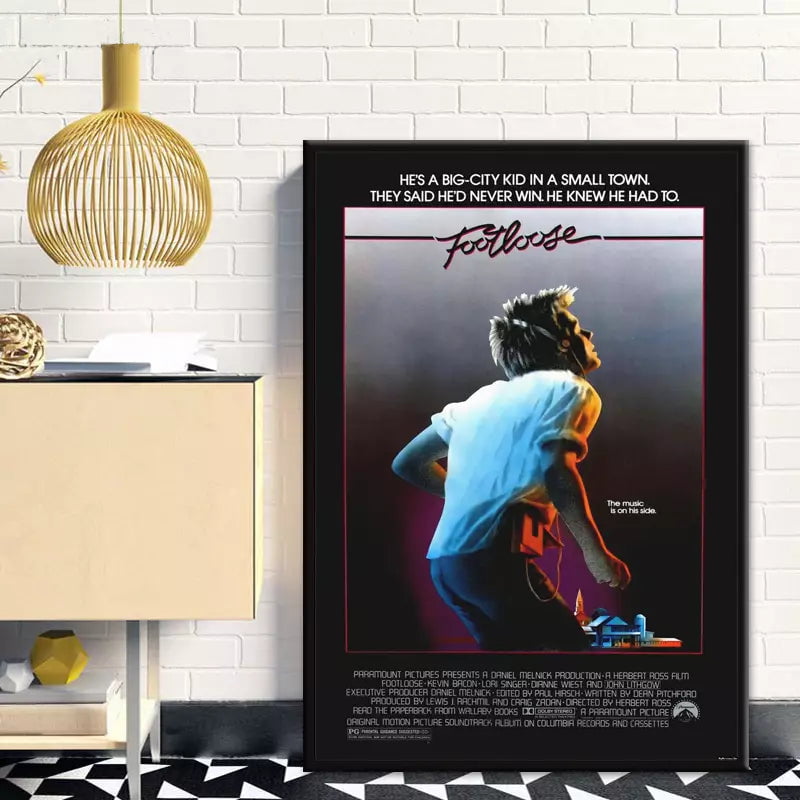
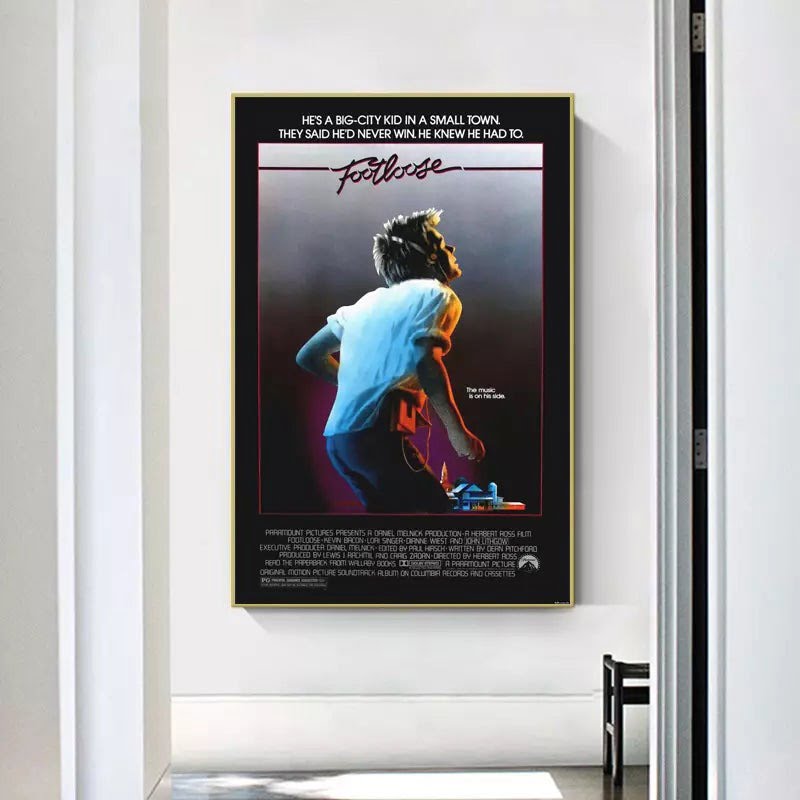
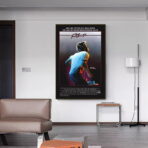

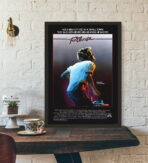



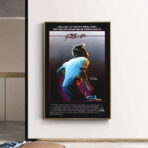









Discover our Footloose Poster, the cult film from the 80s that got a whole generation dancing! Immerse yourself in the catchy world of this iconic feature film and let yourself be carried away by the infectious energy of its music. This poster will instantly transport you to the festive and lively atmosphere of Footloose, where dancing is a true freedom of expression. Treat yourself to a trip back in time and immerse yourself in this iconic period with our poster that is sure to put you in a good mood!
- Paper Feature:
- 🎨 Canvas: global standard in terms of print and imitating a “painting canvas” look.
- By default, the poster contains a 4cm white border for framing (frame not included). If you don’t want it, please choose “without white border”.
- ✅ Size: Multiple choices available. ✅
- High UV resistance.
- Maximum color brilliance without reflections.
- Recycled paper guaranteed environmental friendliness.
- Poster wrapped carefully and delivered in a protective tube for total protection.
- FREE STANDARD DELIVERY.
⚠️ Frame not included. ⚠️
Description of this Footloose Poster
Footloose is a 1984 American drama film directed by Herbert Ross. It tells the story of Ren McCormack (Kevin Bacon), a Chicago teenager who moves to a small town, where he attempts to overturn a dancing ban instituted through the efforts of a local minister (John Lithgow).
The film received mixed reviews from critics but became a box office success, grossing $80 million in North America, becoming the seventh-highest-grossing film of 1984. The film is noted for its music, with the songs “Footloose” by Kenny Loggins and “Let’s Hear It for the Boy” by Deniece Williams being nominated for the Academy Award for Best Original Song.
Chicago native Ren McCormack and his mother Ethel move to the small town of Bomont to live with Ren’s aunt and uncle. While attending church, Ren meets Reverend Shaw Moore, his wife Vi, and his daughter Ariel. Ariel recklessly endangers her life by rebelling against Shaw’s strict religious nature, greatly annoying her friends and her boyfriend Chuck Cranston.
At school, Ren befriends Willard Hewitt and learns that the city council has banned dancing and rock music within the city limits. He soon begins to fall for Ariel. After he and Chuck insult each other, Ren is challenged to a game of chicken involving tractors, which he wins when his shoelace gets stuck, preventing him from jumping. Distrusting Ren, Shaw forbids Ariel from seeing him after she takes an interest in him.
Wanting to show his friends the joy and freedom of dancing, Ren drives Ariel, Willard, and his best friend Rusty to a country bar 100 miles away in Bomont. Once there, Willard is unable to dance and gets into a fight with a man dancing with Rusty. On the way back, they cross a bridge where Ariel describes how her older brother died in a car accident while driving under the influence of alcohol after a night of dancing. The devastating accident prompted Shaw to persuade the city council to enact strict laws against liquor, drugs, and dancing. Ariel begins to challenge Shaw’s authority at home. Ren decides to challenge the anti-dancing ordinance so the high school can hold a senior prom. Willard is embarrassed that he can’t dance with Rusty, so Ren gives him after-school lessons. Chuck confronts Ariel about her feelings toward Ren behind the bleachers. Provoked by his insults, Ariel throws the first punch, to which Chuck responds with a backhand slap, knocking her to the ground. Ariel retaliates by grabbing a pole and breaking Chuck’s microphone. He grabs it to prevent further damage, but she continues to fight—it only ends when Chuck incapacitates her with a final punch, telling her he was “done with her anyway.”
Ren helps Ariel clean up before heading home, cementing their relationship. Later that night, a brick with the words “Burn in Hell” is thrown through the window of Ren’s house, leading her uncle to criticize his outspoken behavior. Ethel reveals that although Ren’s actions cost him his job, he should stand up for what he believes is right.
With Ariel’s help, Ren goes before the city council and reads several Bible verses to cite the scriptural importance of dancing as a way to rejoice, exercise, and celebrate. Although Shaw is moved, the council votes against Ren’s proposal, but Vi, who supports the move, explains to Shaw that he can’t be everyone’s father and is hardly Ariel’s type.
Despite further discussions with Ren about his own family losses and Ariel’s openness about her own past, revealing that she has had sexual relationships, Shaw cannot bring himself to change his stance. The next day, Shaw witnesses members of his congregation burning library books that they believe are endangering the town’s youth. Realizing the situation has gotten out of hand, Shaw arrests the book burners, chastises them, and sends them home.
The following Sunday, Shaw asks his congregation to pray for the high school students to attend the dance, set up in a gristmill just outside the town limits. On the night of the dance, Shaw and Vi listen from outside the mill, dancing for the first time in years. Chuck and his friends arrive and attack Willard; Ren arrives in time to even the odds and knocks Chuck unconscious. Ren, Ariel, Willard, and Rusty join the party and dance happily the night away.