
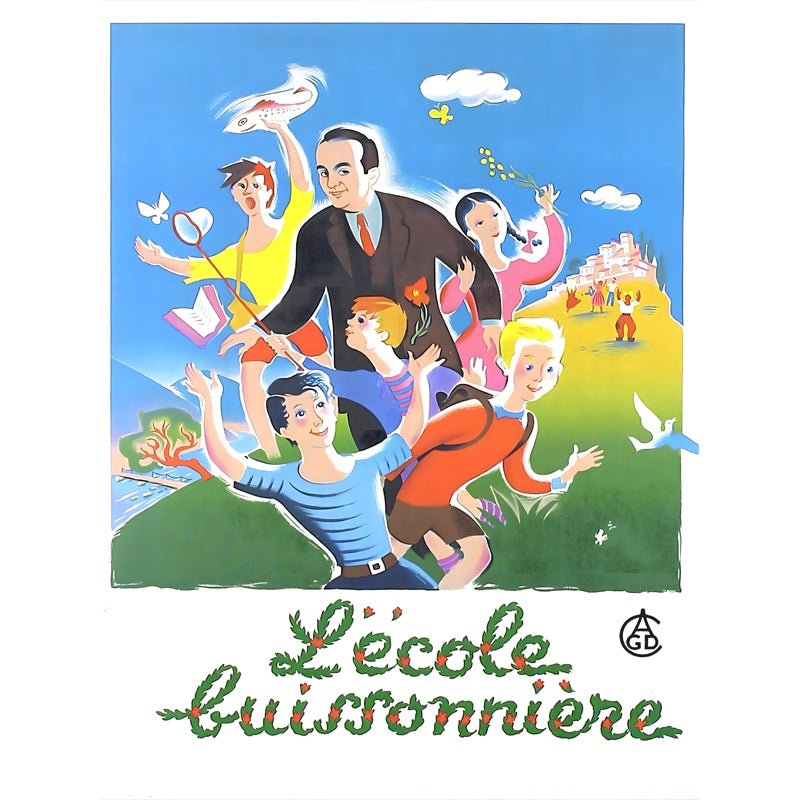
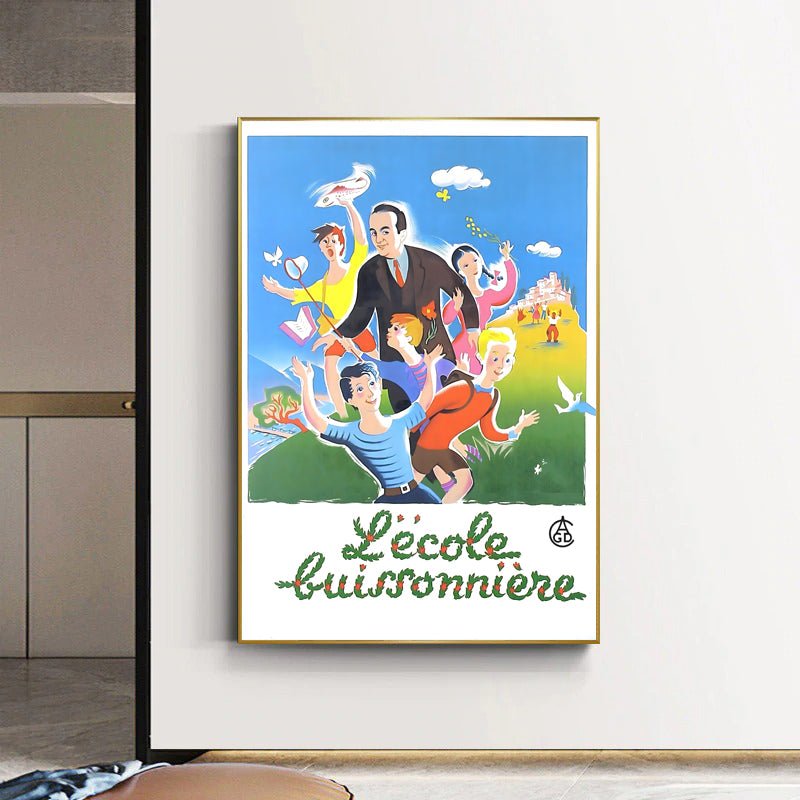
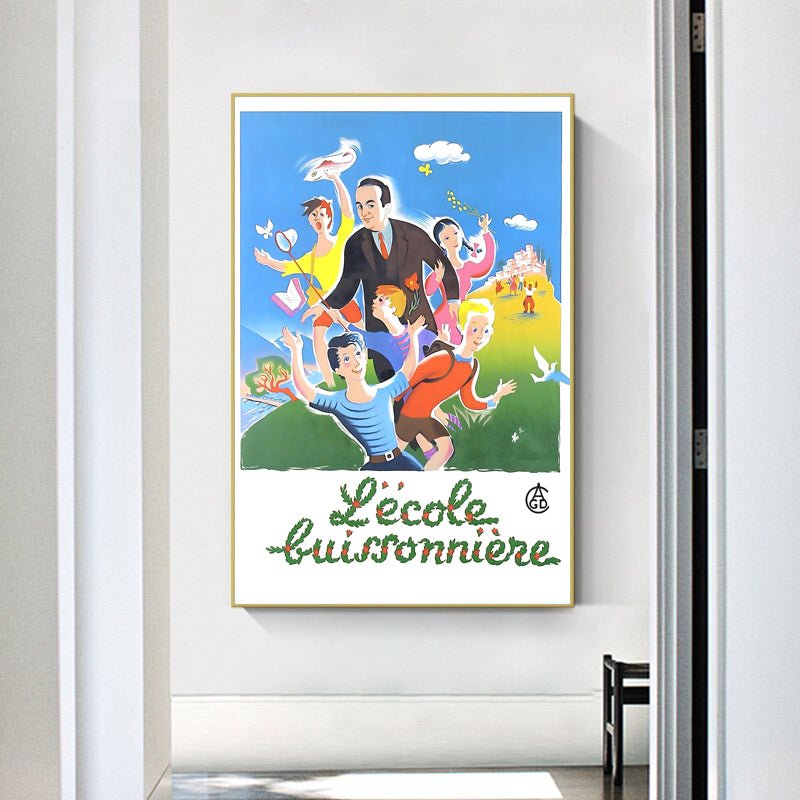
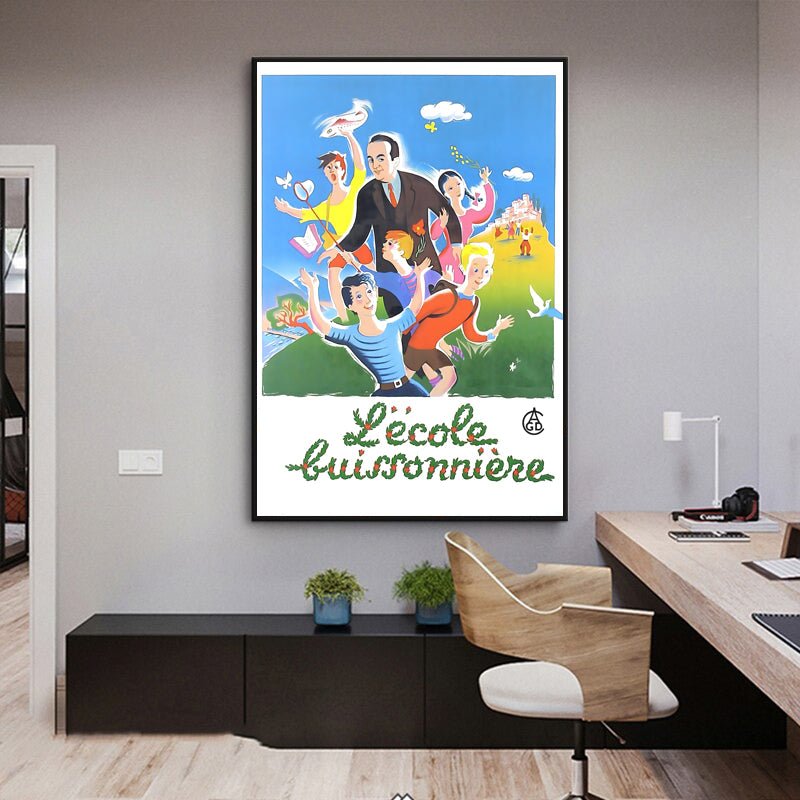
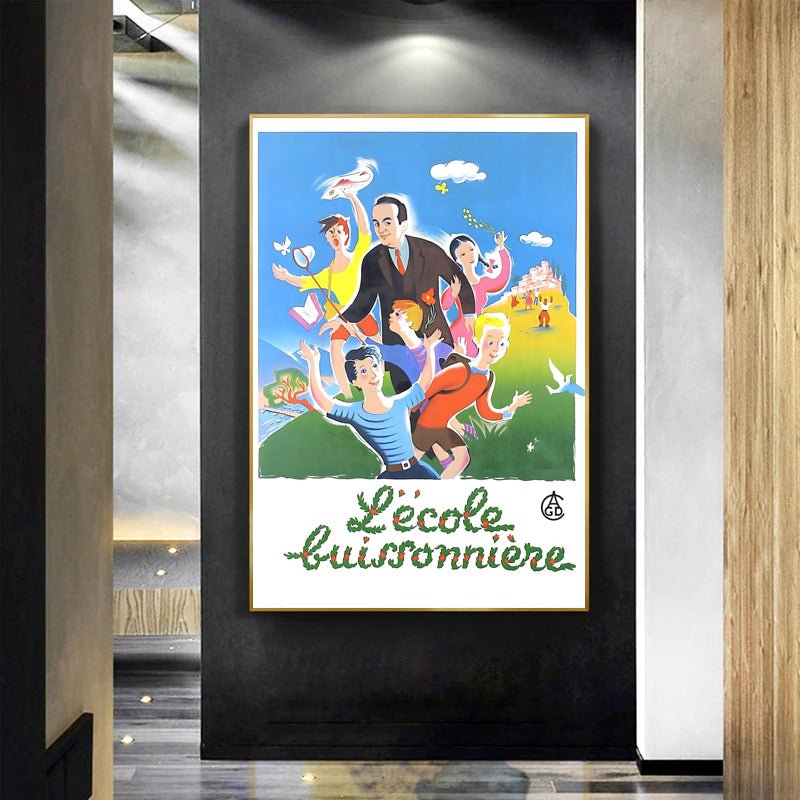
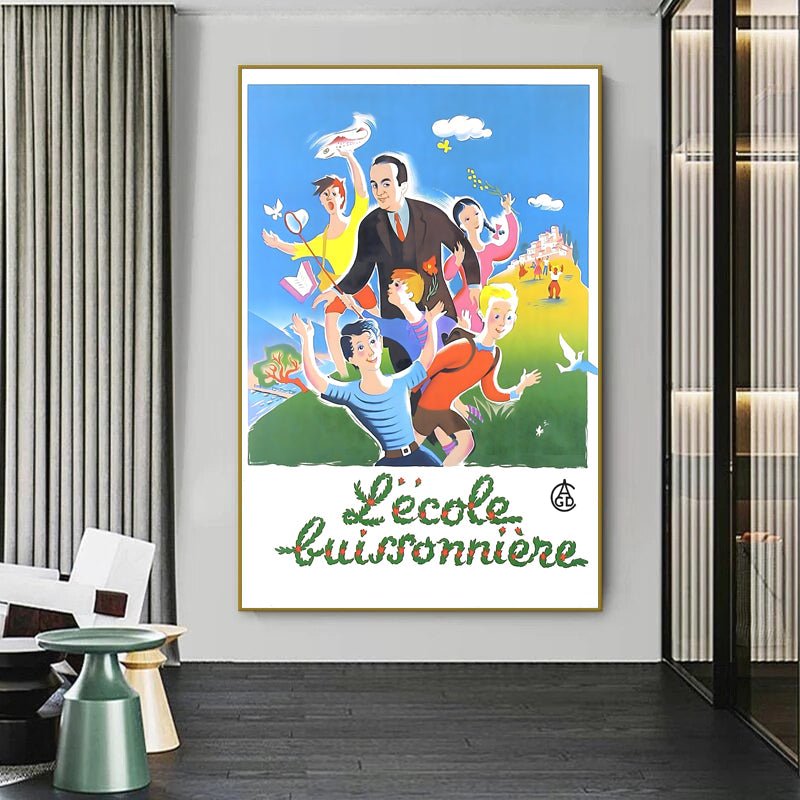
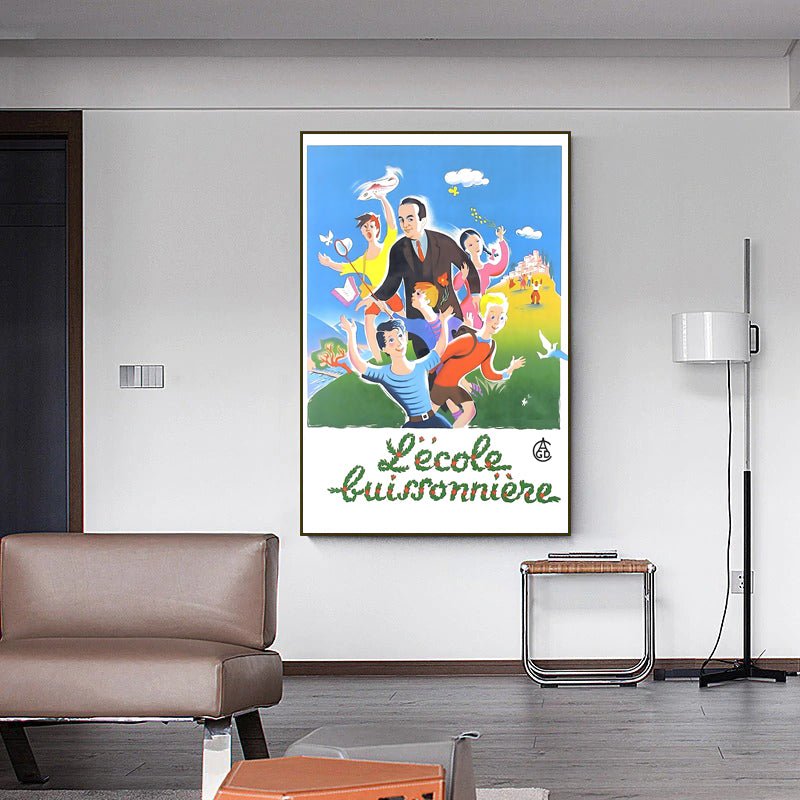
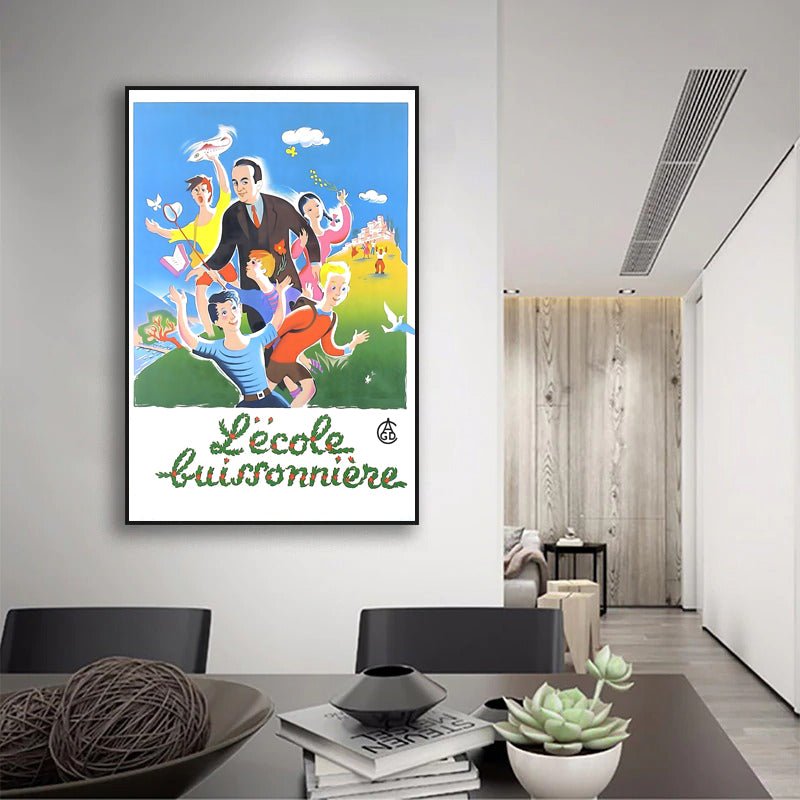
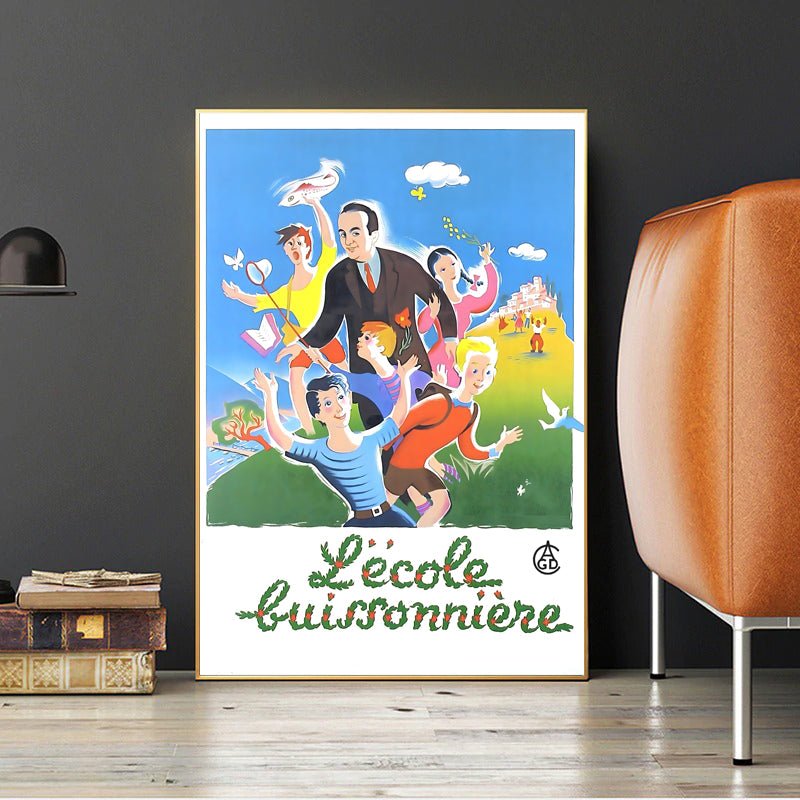
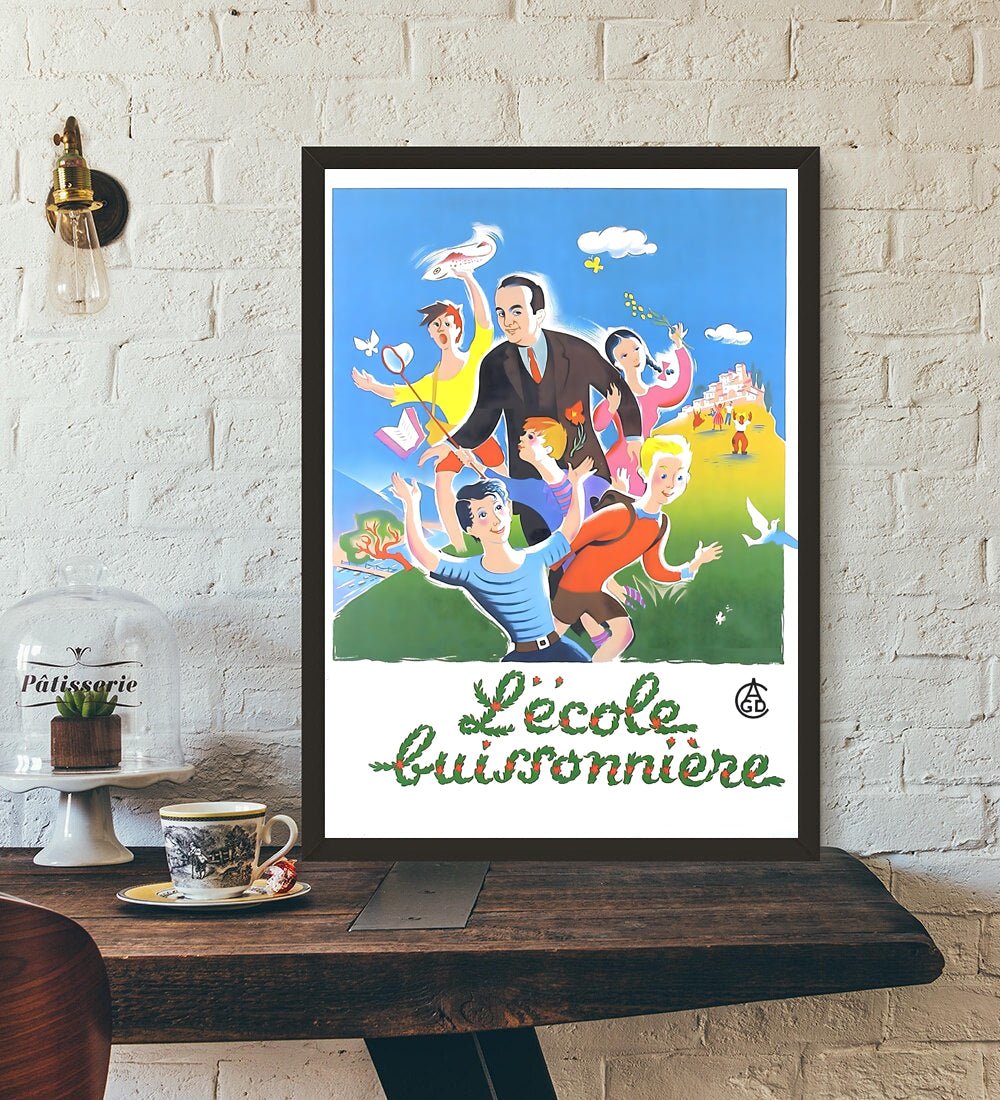
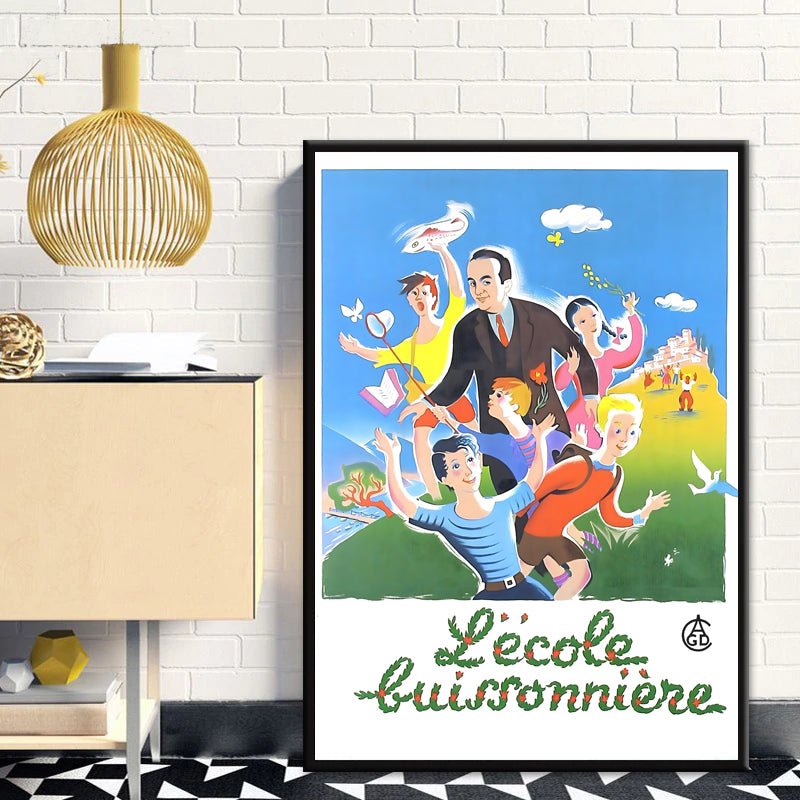
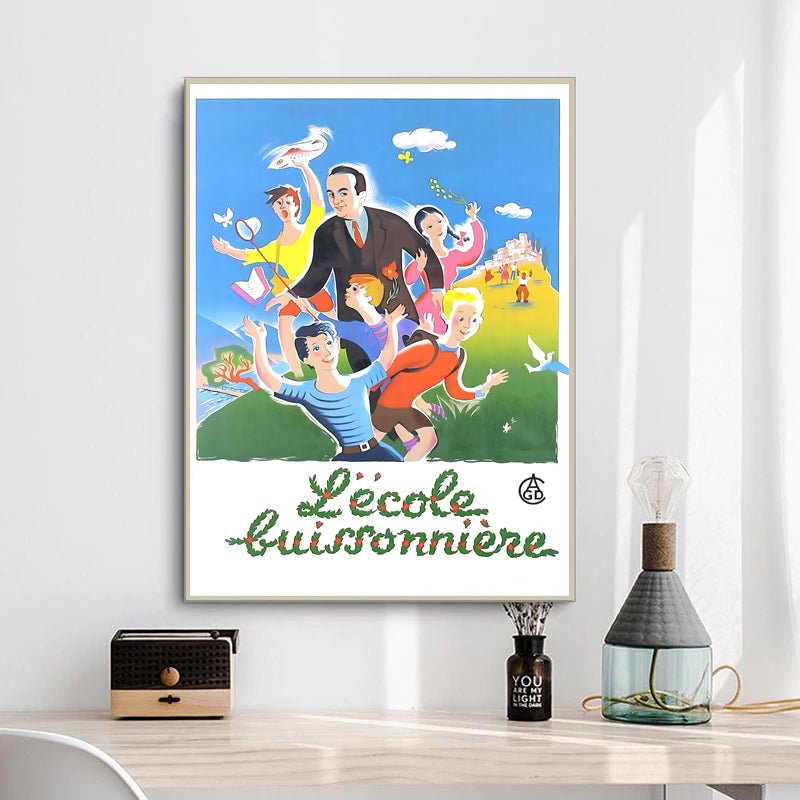


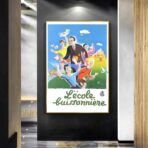
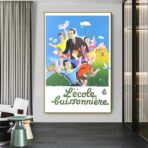

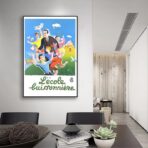

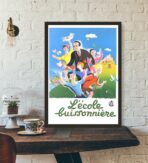

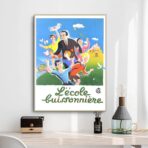




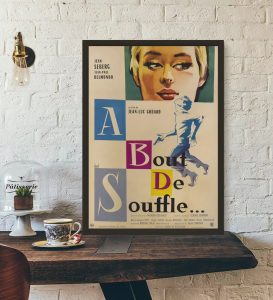

With this 1949 L’École Buissonnière Poster, immerse yourself in the captivating atmosphere of a bygone era and marvel at the captivating tale of a young boy fleeing the rigor of school to thrive in nature. The nostalgic nuances of this timeless work awaken the deep emotions of childhood, blending adventure, friendship, and the quest for freedom. Explore the picturesque settings, feel the characters’ dazzling innocence, and let yourself be carried away by a cinematic escapade imbued with poetry and truth. A visual and emotional journey that transcends generations.
- Paper Feature:
- 🎨 Canvas: The global standard in printing and imitating a “canvas” look.
- By default, the poster contains a 4cm white border for framing (frame not included). If you don’t want it, please choose “without white border”.
- ✅ Size: several choices available. ✅
- High UV resistance.
- Maximum color brilliance , without reflections.
- Recycled paper guaranteed a environmentally friendly.
- Poster packaged carefully and delivered in a protective tube for total protection.
- FREE STANDARD DELIVERY.
⚠️ Frame not included. ⚠️
Description of this L’École Buissonière Poster
“L’École Buissonnière” from 1949, directed by Jean-Paul Le Chanois, is a cinematic gem that captures the very essence of childhood and adventure. The film immerses us in the daily life of a young orphan, Jean D’Artigues, played with finesse by Bernard Blier. This endearing protagonist, raised in the rigidity of a boarding school, feels the irrepressible call of freedom and nature.
The plot begins when Jean, in search of discovery and escape, decides to run away from school to embrace life in the great outdoors. His journey takes him to an enchanting forest, where he discovers the simple joys of the countryside, accompanied by his faithful companion, Capi the dog. The two friends wander through sumptuous landscapes, offering the viewer a visual escapade imbued with poetry and nostalgia.
During his journey, Jean meets Micoulin, played by Paul Frankeur, a charismatic and kind character who becomes his mentor. Micoulin, with his country wisdom, teaches Jean profound life lessons, creating warm bonds between generations.
“L’École Buissonnière” is much more than a simple story of escapism. It explores the magic of sincere friendship, the beauty of nature, and the relentless search for authenticity in a changing world. The actors deliver remarkable performances, movingly conveying the subtle nuances of each character.
Jean-Paul Le Chanois’s direction captivates with its delicacy and attention to detail, capturing the play of light in nature, the characters’ expressive faces, and the palpable emotion that permeates each scene. The music, composed by Georges Van Parys, perfectly accompanies this adventure, adding a subtle sonic dimension to the whole.
In short, 1949’s “L’École Buissonnière” remains a timeless masterpiece that transcends eras. Through poignant storytelling and strikingly beautiful images, the film offers a cinematic experience rich in emotion and reflections on human nature.