
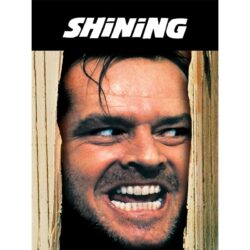

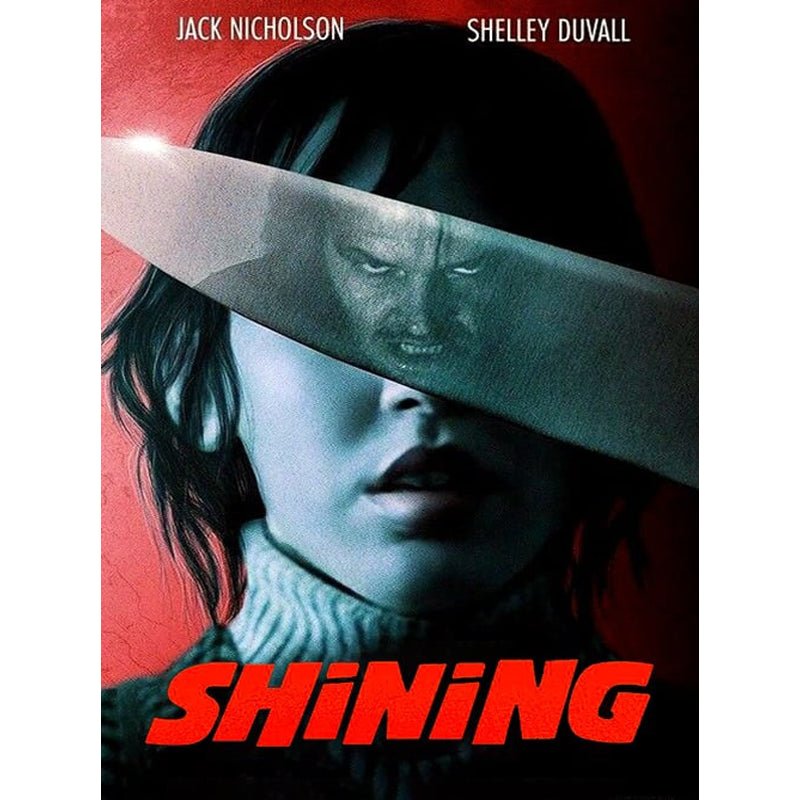



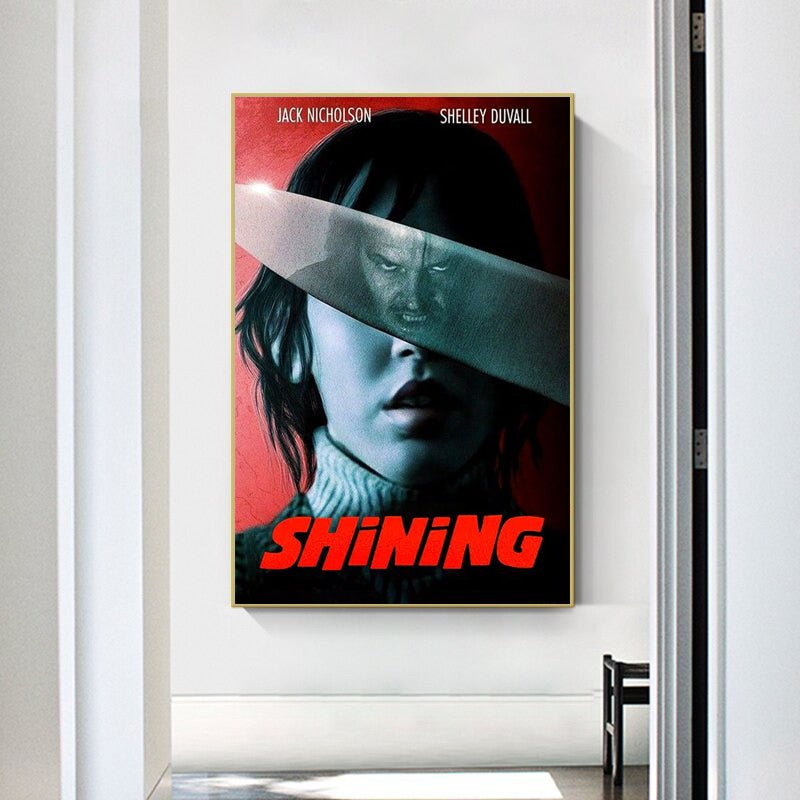
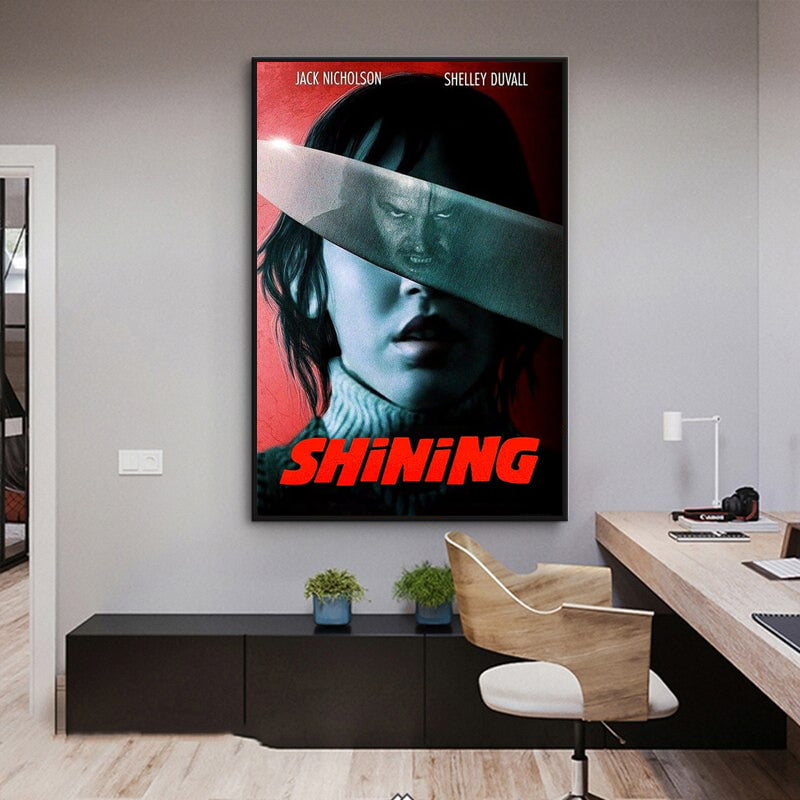
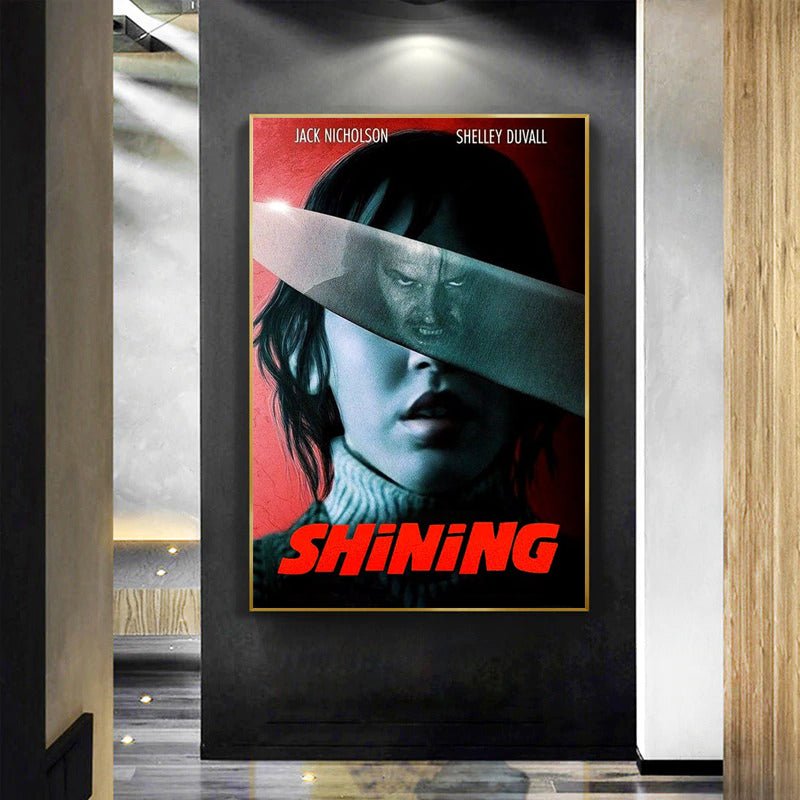
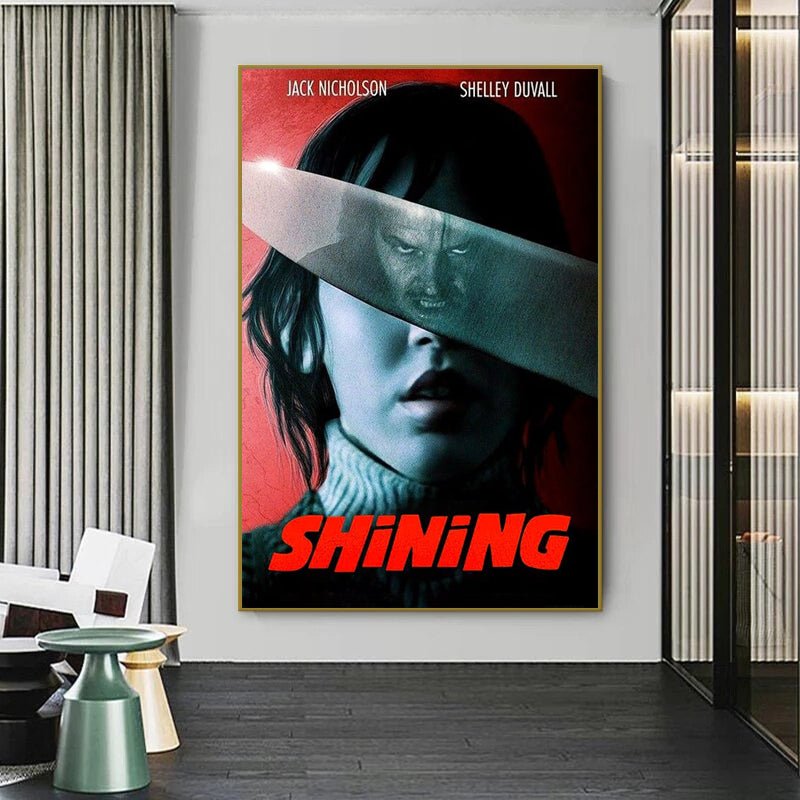
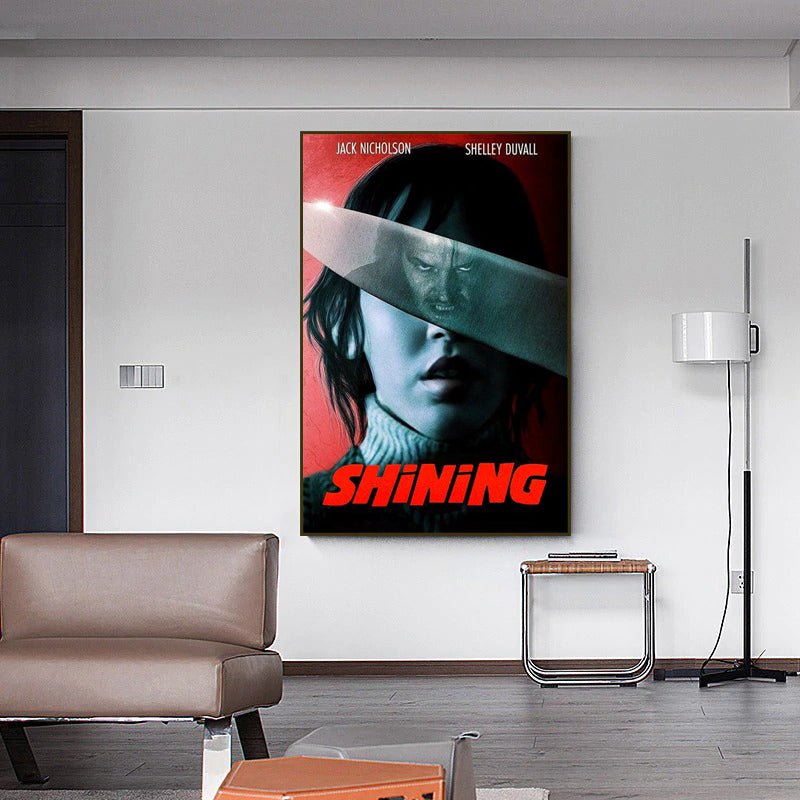
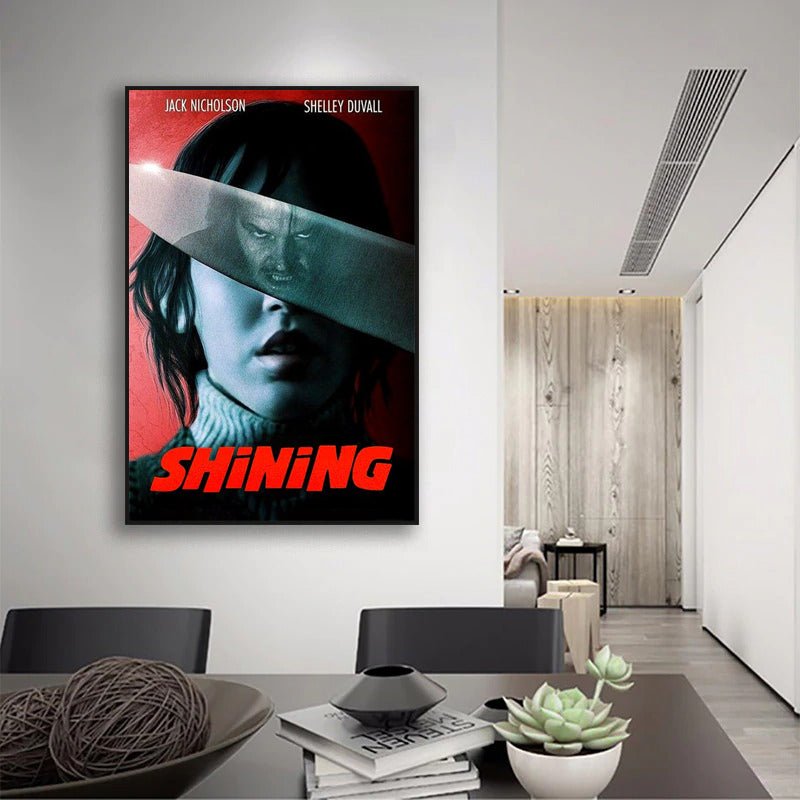

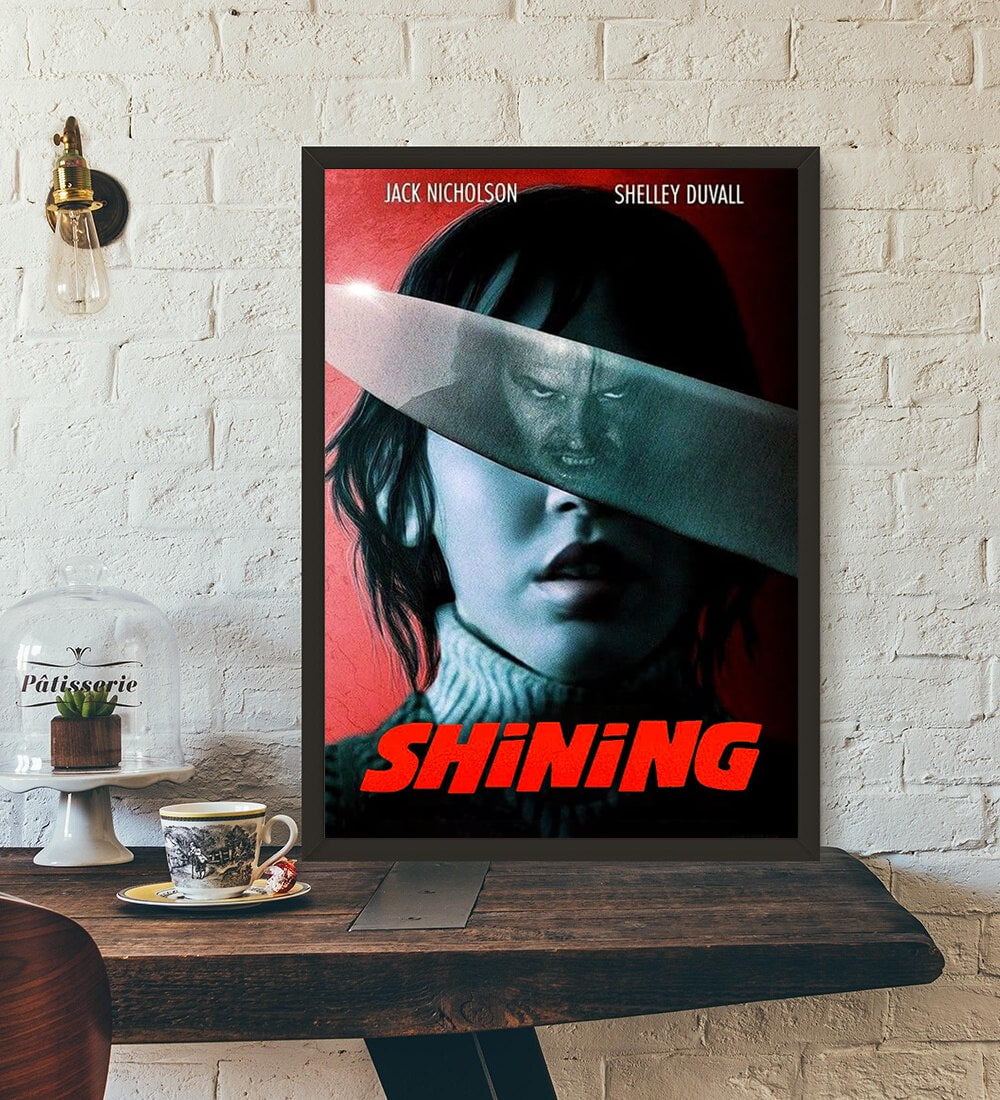




















With this Stanley Kubrick’s The Shining Movie Poster, immerse yourself in a harrowing world where suspense and horror merge, and discover chilling images of the Overlook Hotel to Jack Nicholson’s terrifying facial expression, this iconic work conveys the intense psychological tension of the film. Experience a visual immersion in madness and isolation, where every detail of the poster evokes the lingering chills that haunt the mind long after the final credits. Enter the unforgettable world of “The Shining” and let yourself be overcome by anguish.
- Paper Feature:
- 🎨 Canvas: World Standard in terms of print and imitating a “painting canvas” look.
- By default, the poster contains a 4cm white border for framing (frame not included). If you don’t want it, please choose “without white border”.
- ✅ Size: Multiple choices available. ✅
- High UV resistance.
- Maximum color brilliance without reflections.
- Recycled paper guaranteed environmental friendliness.
- Poster wrapped carefully and delivered in a protective tube for total protection.
- FREE STANDARD DELIVERY.
⚠️ Frame not included. ⚠️
Description of this Shining Movie Poster
“Shining” is a 1980 psychological horror film directed by Stanley Kubrick and based on the novel of the same name by Stephen King. The story follows Jack Torrance, memorably played by Jack Nicholson, who accepts a job as winter caretaker at the Overlook Hotel, a remote location in the Colorado mountains. He moves in with his wife Wendy (Shelley Duvall) and their son Danny (Danny Lloyd), who has the clairvoyant gift known as “the shining.”
From the beginning, the atmosphere is heavy, reinforced by the ominous music of Wendy Carlos and Rachel Elkind. The hotel itself becomes a central character, a labyrinth of empty corridors and rooms haunted by past events. Kubrick’s direction is meticulous, using wide shots to create a sense of isolation and long sequences to intensify the dread.
Danny’s “The Shining” reveals terrifying visions linked to the hotel’s past tragedies. The paranormal manifestations begin to shake Jack’s already fragile sanity. His descent into madness is masterfully captured by Nicholson, whose intense acting helps create palpable onscreen tension.
The use of color, the maze motif, and recurring symbols reinforce the film’s symbolic dimension. The enigmatic dialogue and supernatural events leave room for various interpretations, contributing to the work’s richness and complexity.
“The Shining” transcends the horror genre by exploring themes of madness, isolation, and ghosts from the past. Iconic sequences, such as the “Here’s Johnny!” scene and the ghostly twins, have cemented the film in cinematic history. Overall, “The Shining” is an iconic work of cinema that continues to haunt us with its inimitable blend of visceral horror and psychological depth.