

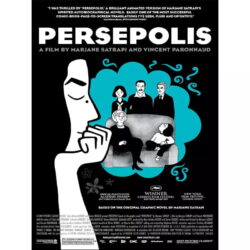
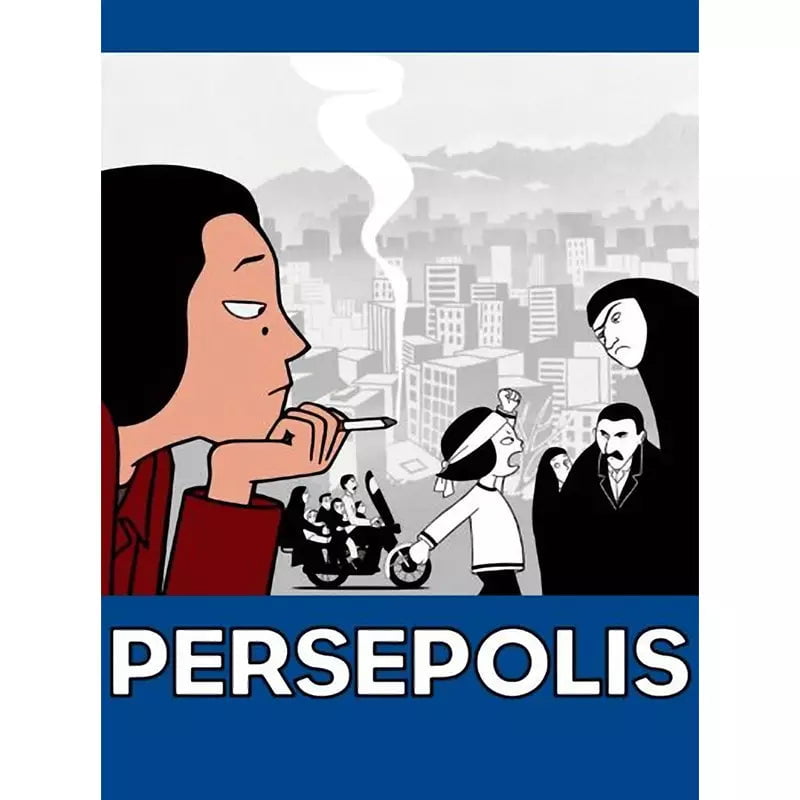
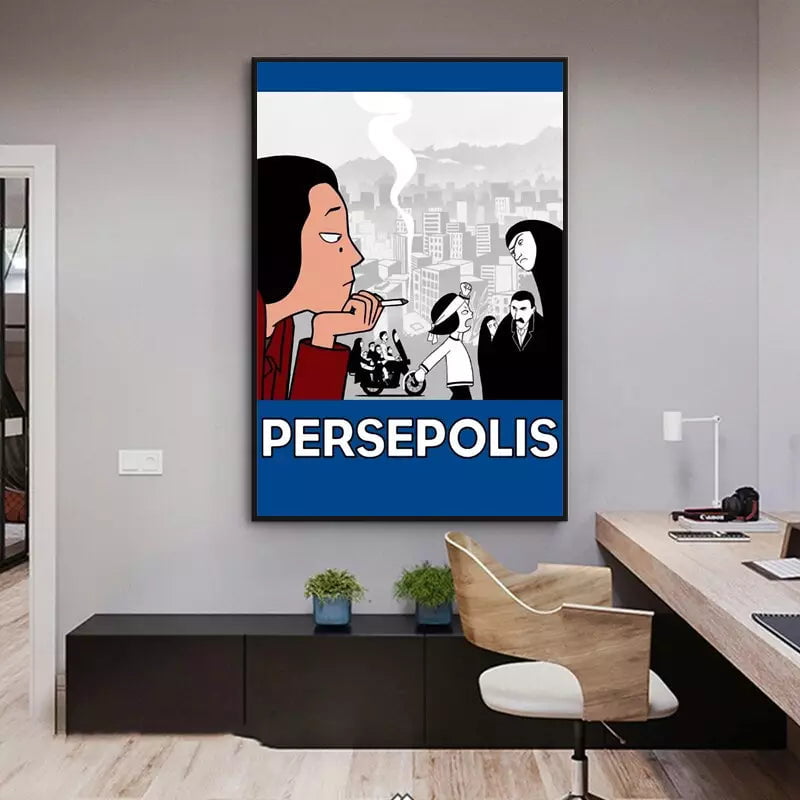
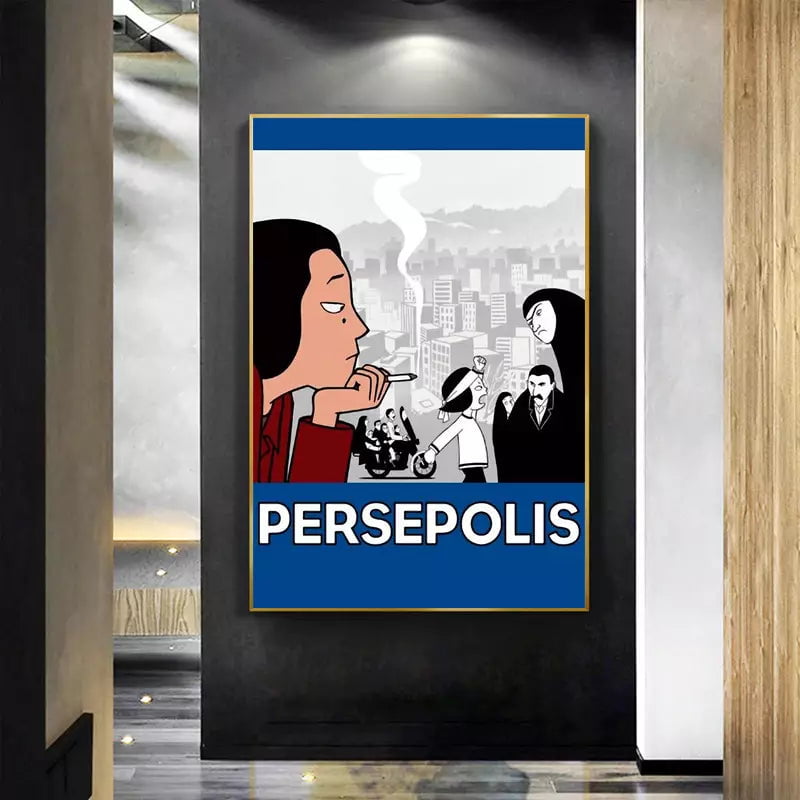
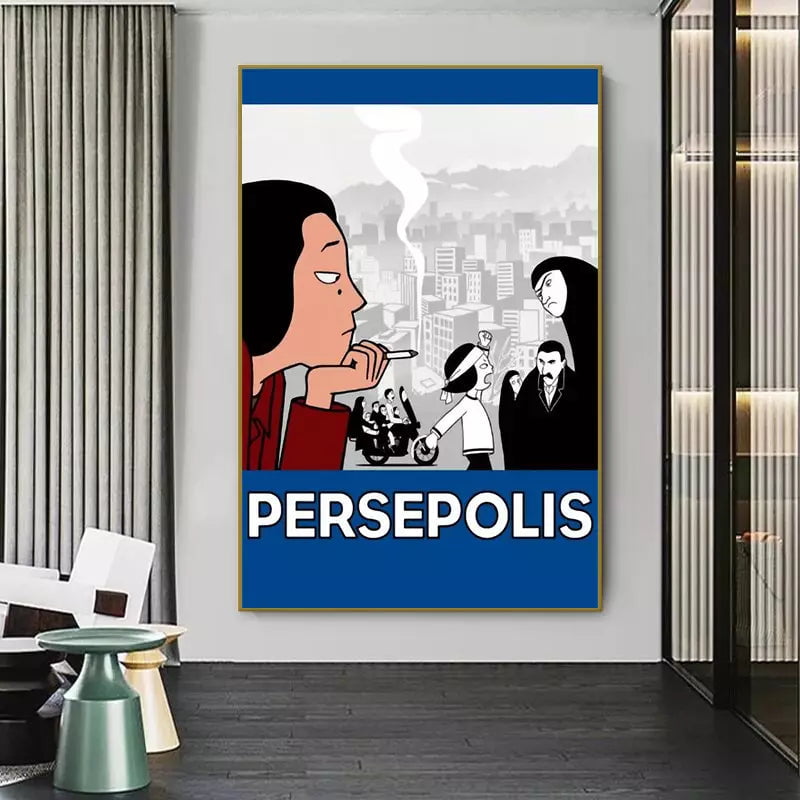
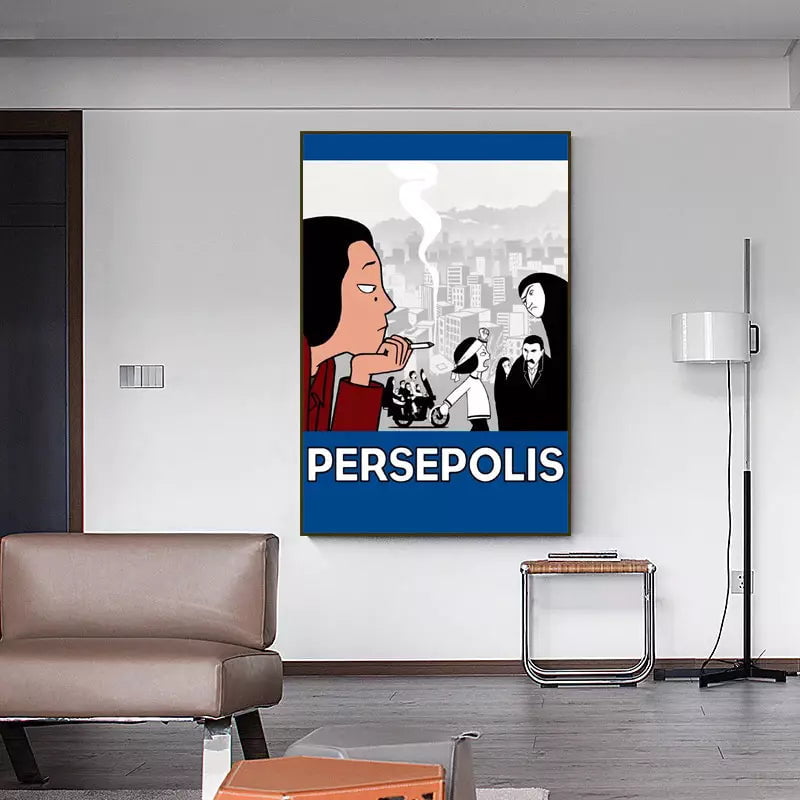
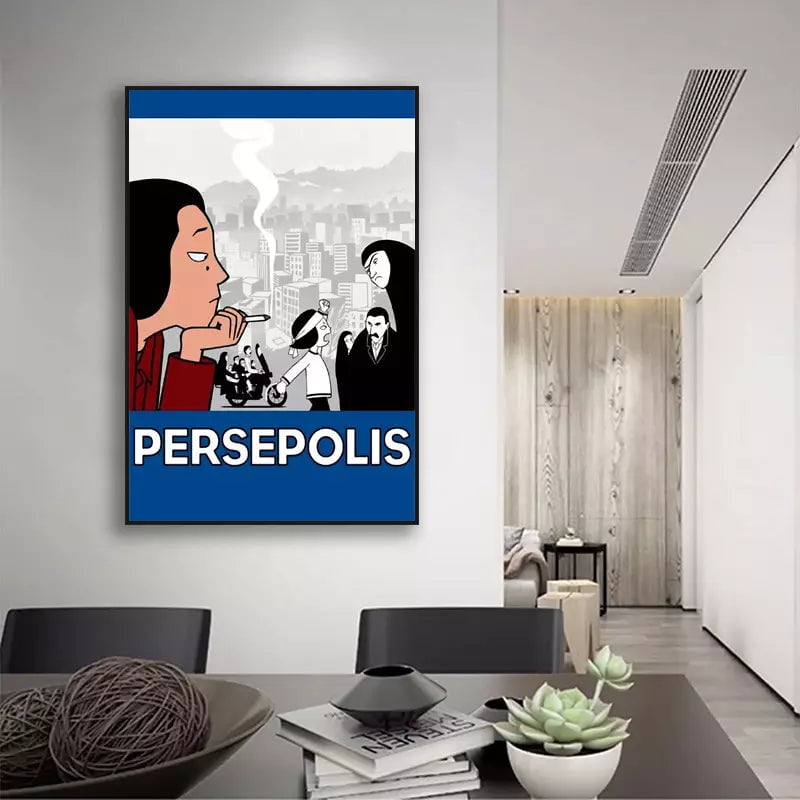
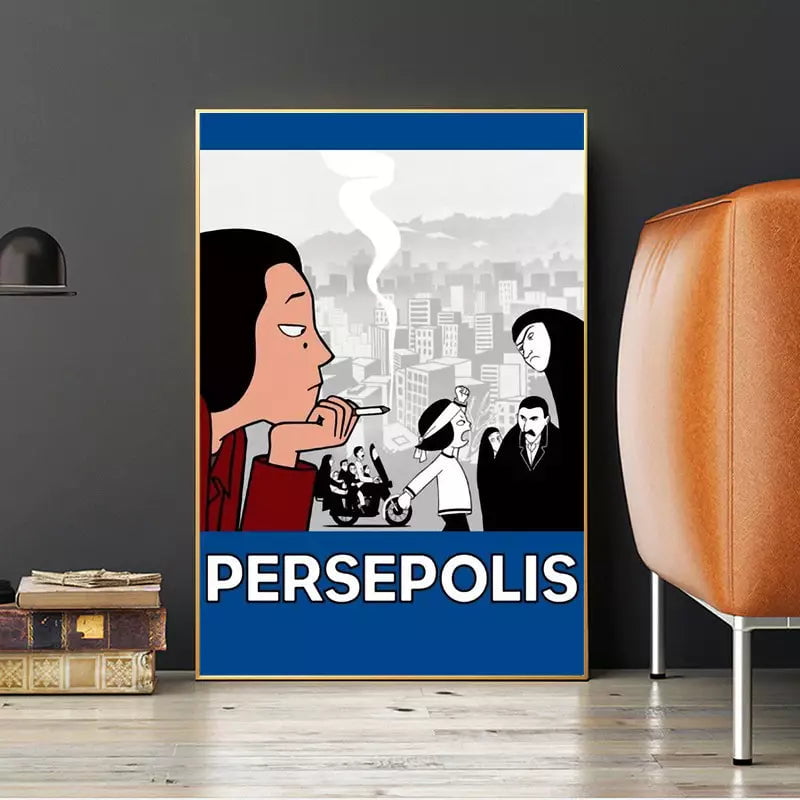
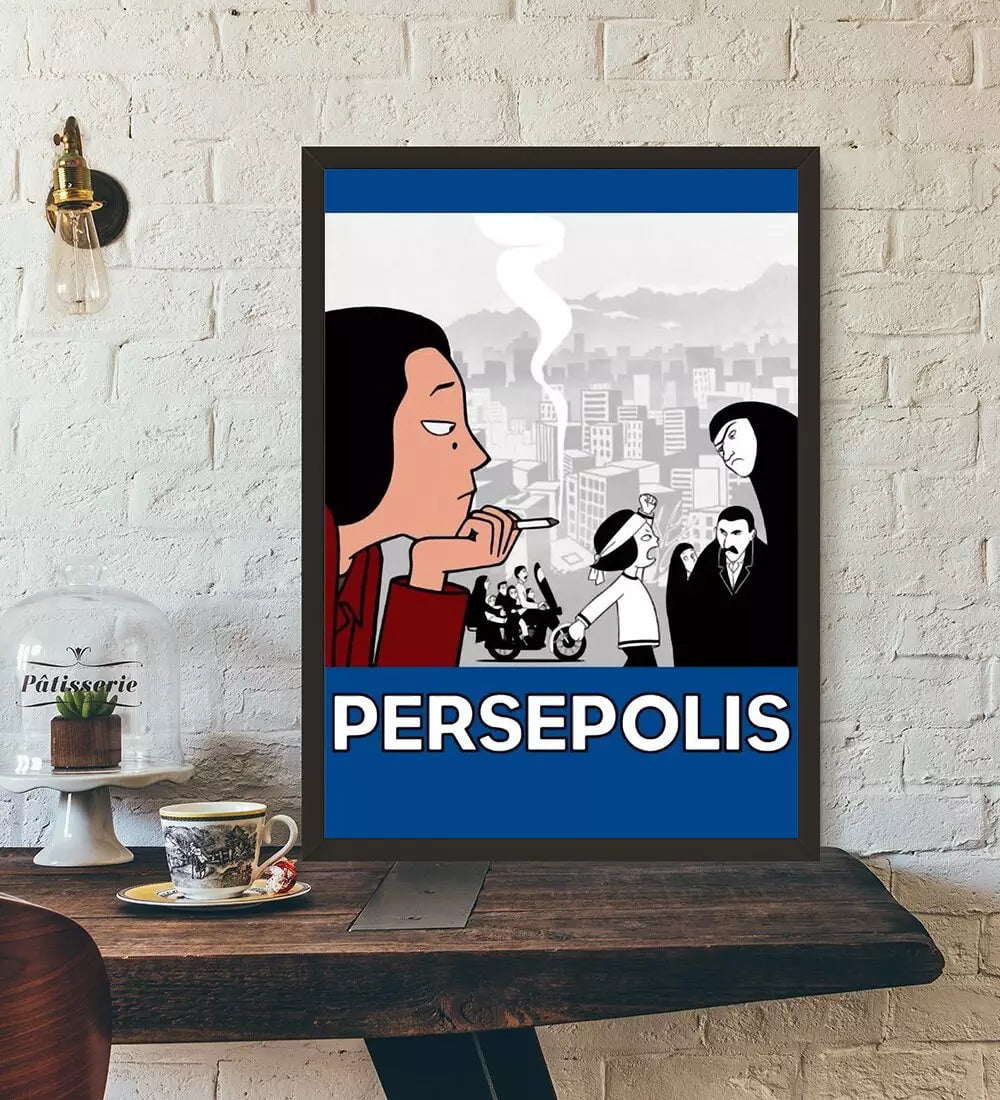
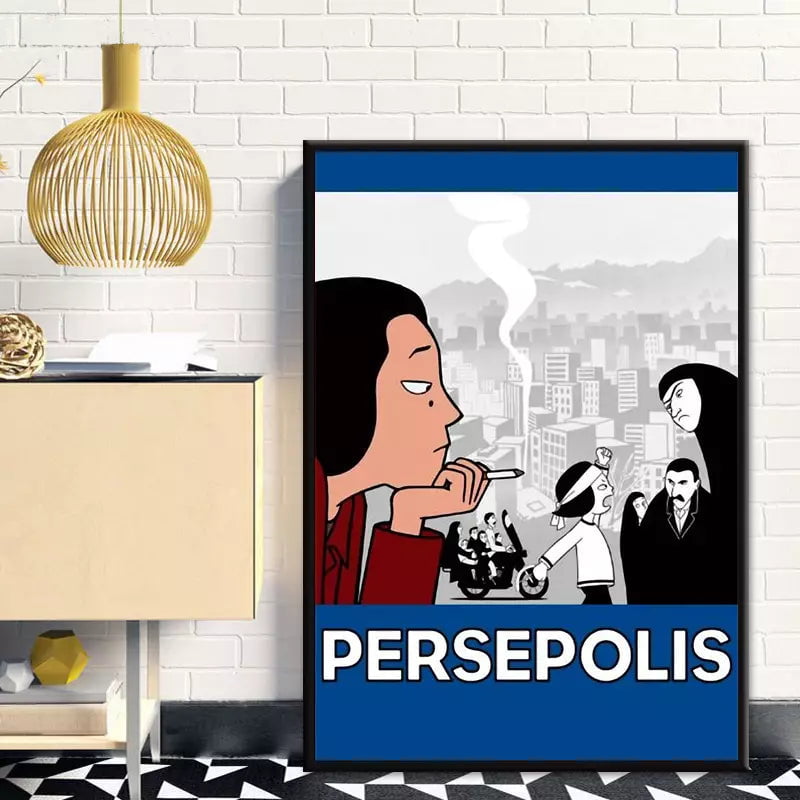
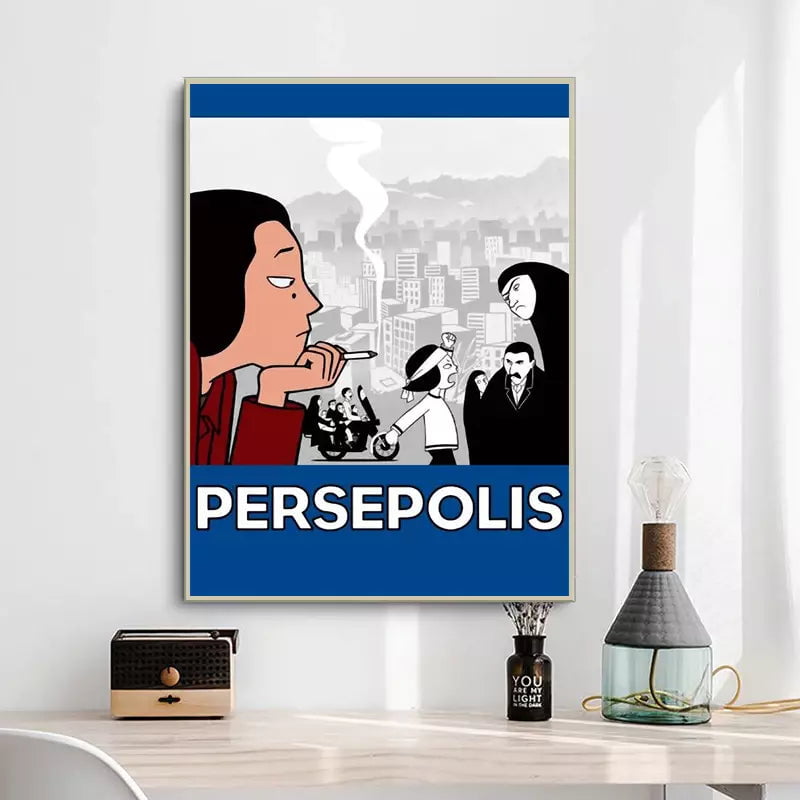
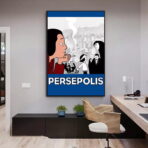
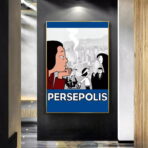
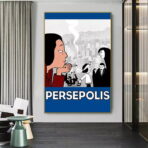
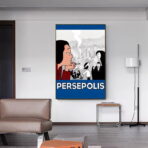
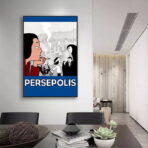
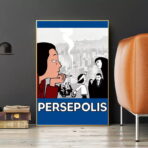
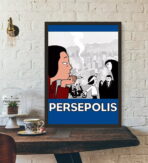

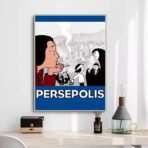














Discover the German Poster of Persepolis and let yourself be swept away by the deep emotions of this poignant film. Immerse yourself in the moving story of a courageous young woman who defies convention in tumultuous Iran. A captivating cinematic experience that explores universal themes such as freedom, identity, and resilience.
- Paper Feature:
- 🎨 Canvas: global standard in terms of printing and imitating a “painting canvas” look.
- By default, the poster contains a 4cm white border for framing (frame not included). If you don’t want it, please choose “without white border”.
- ✅ Size: several choices available. ✅
- High UV resistance.
- Maximum color brilliance without reflections.
- Recycled paper guaranteed environmental friendliness.
- Poster wrapped carefully and delivered in a protective tube for total protection.
- FREE STANDARD DELIVERY.
⚠️ Frame not included. ⚠️
Description of this German Persepolis Poster
Persepolis is a 2007 French animated film. Based on the comic strip of the same name by Marjane Satrapi, Persepolis tells the story of the director’s childhood and youth during and after the Islamic Revolution in Iran. The film won several film awards, including the Jury Prize at the Cannes International Film Festival, where Persepolis premiered.
Eight-year-old Marjane grew up in Tehran during the reign of Shah Mohammad Reza Pahlavi. When the Shah went into exile and the Islamic Republic was proclaimed, she and her family felt a spirit of optimism, especially when her communist uncle Anouche was released from prison. Marjane enthusiastically plays out political events with her friends on the street; she considers herself a prophet in touch with God.
But when the new rulers translate their Islamic-based social ideas into practical policies, Marjane and her family increasingly resent life in Iran. Supported by her strong-willed grandmother, Marjane reluctantly endures reprisals; she secretly listens to hard rock and wears a punk jacket. When her uncle is executed by the new rulers because of his communist past, and Tehran is bombed in the Gulf War against Iraq, Marjan’s parents decide to send her to the Lycée Français de Vienne in Austria.
Marjane is a stranger in Vienna, but always makes friends quickly. An unhappy love affair pulls her into a deep depression. Marjane leaves school, loses her apartment, and lives on the streets. When she is hospitalized after a serious illness, she decides to return to Tehran and make a fresh start.
Marjane begins studying at art college, falls in love, and gets married. The marriage is unhappy, and Marjane decides to leave Iran forever and emigrate to France.