


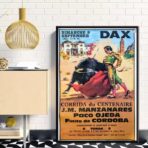




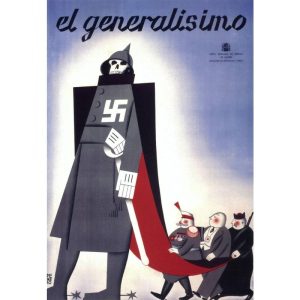

Discover this Vintage Bullfight Poster, a captivating piece of bullfighting history that evokes the passion, tradition, and artistry of this iconic Spanish practice. This retro poster transports us to a time when bullrings were filled with enthusiastic aficionados who came to witness spectacular bullfights. Produced with meticulous artistry, this poster showcases the essential elements of bullfighting, from courageous bullfighters to majestic bulls, while conveying the vitality and fervor surrounding this event. Whether you’re a bullfighting enthusiast, a vintage art collector, or simply curious about cultural history, this Vintage Bullfight Poster is a visual testament to the rich and controversial legacy of this Spanish tradition. Hang it in your home to honor the tradition and art of bullfighting or to celebrate the artistic aesthetic that surrounds it.
- Paper Feature:
- 🎨 Canvas: global standard in terms of printing and imitating a “painting canvas” look.
- By default, the poster contains a 4cm white border for framing (frame not included). If you don’t want it, please choose “without white border”.
- ✅ Size: Multiple choices available. ✅
- High UV resistance.
- Color vibrancy maximum, glare-free.
- Paper recycled, guaranteeing environmental friendliness.
- Poster packaged carefully and delivered in a protective tube for Total protection.
- FREE STANDARD DELIVERY.
⚠️ Frame not included. ⚠️
Description of this Vintage Corrida Poster
Corrida, or bullfighting, is a Spanish cultural tradition that dates back several centuries and consists of a spectacle in which a bullfighter, also called a matador, confronts a bull in an arena. Corrida is a highly ritualized and regulated event, composed of several phases:
- 1. The Paseo: The opening parade where the participants, including the matador, the picadors (horsemen armed with lances), and the banderilleros (the matador’s assistants), enter the arena. 2. The Three Tercios: The bullfight is divided into three parts, or “tercios.” The first third consists of cape passes to assess the bull’s bravery and aggressiveness. The second third features the picadors poking the bull with lances to weaken its muscles. The final third features the banderilleros sticking banderillas, colorful barbed wire, into the bull’s back to encourage it to charge. 3. The Faena: The final phase, the faena, is the central act of the bullfight. The matador, armed with his muleta (a red cape), performs a series of artistic passes with the bull to demonstrate his bravery and skill. The faena ends with a pass called the “pass of the sword,” where the matador kills the bull by stabbing it between the shoulder blades.
- 4. The Killing: The killing of the bull is the most controversial moment of the bullfight. If the matador succeeds in killing the bull with a single blow, he is rewarded by the audience. Otherwise, the execution may be considered clumsy and inhumane.
Bullfighting is a spectacle that elicits passionate reactions, both for and against. Supporters consider bullfighting an art form, where the matador’s courage, grace, and technique are showcased. For others, bullfighting raises concerns about animal welfare, considering the killing of the bull to be inhumane.
Nowadays, bullfighting is practiced mainly in Spain, some Latin American countries, and France. It is surrounded by regulations designed to ensure the ethical treatment of animals. Bullfighting remains a topic of debate and discussion due to its cultural significance, traditions, and ethical implications.